
English Village Mystery Settings: Why They Work
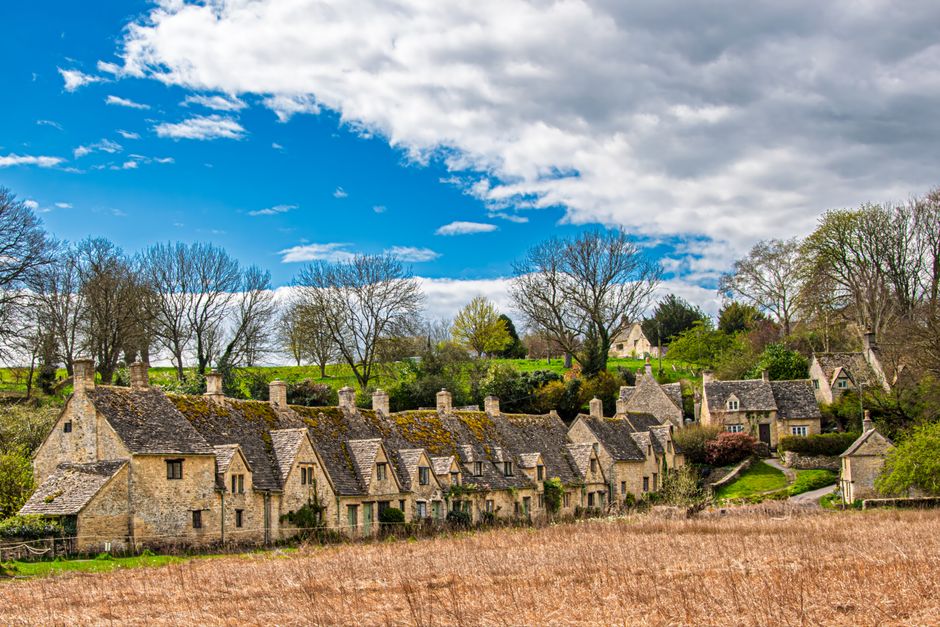
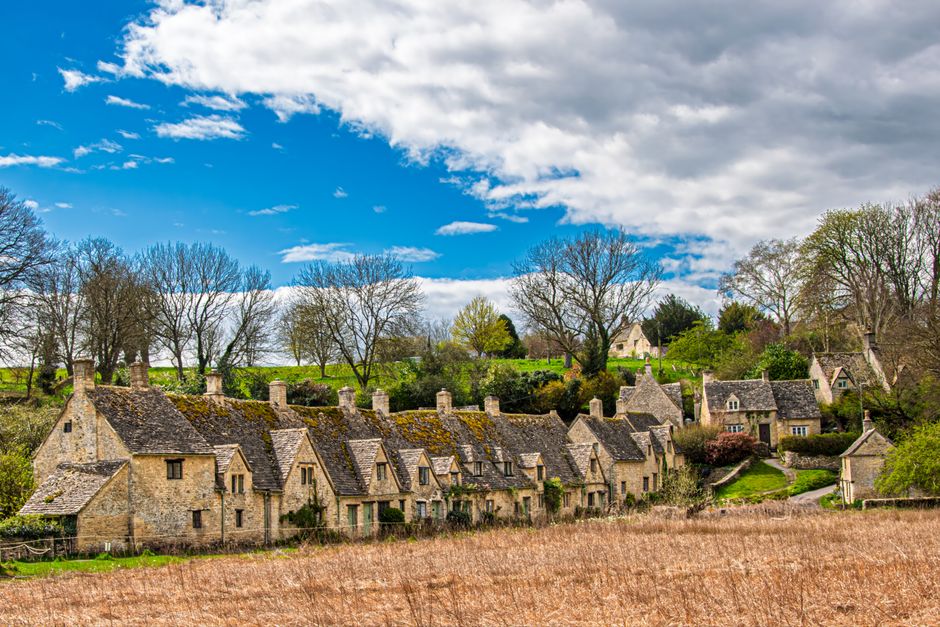
A village green with a bench, a church tower, a pub that serves Sunday lunch, and somewhere behind all of it a body that should not be there. That contrast sits at the heart of english village mystery settings, and it is why readers keep returning to them. The appeal is not really nostalgia. It is structure. A village gives a crime writer something a city cannot: a finite cast, a closed circle of suspects, and a landscape small enough that every secret has somewhere to hide.
What follows looks at what a village actually contributes to a whodunit, where the setting goes wrong, and how the form has survived more than a century of changing taste in crime fiction.
A murder needs a closed circle, and a village supplies one
A village mystery works because the cast is small enough to hold in your head. You meet the vicar, the publican, the retired major, the doctor’s widow, the couple who moved in from the city, the farmer whose gate is always open. By chapter three you can name almost everyone, which means the killer is almost certainly someone you have already met. That is the whole pleasure of a closed circle.
Range matters as much as size. A reader-built Goodreads list devoted to English village mysteries runs to 201 titles, described as ranging from the Cotswolds to Cumbria, which shows how much variety the basic idea can carry. A village on the edge of the moors is a different village from one tucked into a valley of honey-coloured stone, and the crimes in each should feel different as a result.
Help is a long way away, and that gap is the plot
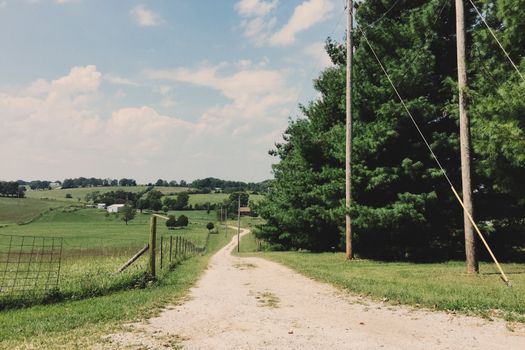
Geography gives village mysteries one huge practical advantage. As crime writer Debbie Young and historical novelist Helen Hollick discussed on Young’s writing blog, a murder in a small rural community buys the story time, because a summoned policeman has a journey to make before anyone official arrives. In a town, help is minutes away.
That delay is where amateur sleuths live. It is also where evidence can be moved, alibis rehearsed, and a body discovered by exactly the wrong person. A long lane, an unlit road or a slow train service turns distance into suspense without anyone needing to wave a weapon about. The isolation is quiet, plausible and entirely mundane, which is precisely why it works.
Everyone knows everyone, which cuts both ways
In a village, privacy is a rumour. Everyone has an opinion about everyone, and a newcomer’s arrival is an event. That network of observation is a gift to a plot, because clues do not have to be found by the detective. They can be overheard, repeated, misremembered or passed along the queue in the shop.
Gossip also supplies motive. Reputation is currency in a small community, and the things people will do to protect it are believable and human. Crime novelist Janice Hallett has written for the official Agatha Christie site about the role the village plays in Christie’s work and in crime fiction more broadly, a role that comes down to visibility: everyone can see everyone, and nothing stays private for long. The result is a mystery where the suspect list is short but the secrets run deep.

The buildings do the plotting
Village architecture arrives pre-loaded with meaning, and the best mysteries make each fixture earn its place. The usual pieces of furniture, and the jobs they do:
|
Village fixture |
What it contributes |
|---|---|
|
The pub |
A neutral room where enemies sit together, and where the local rumour network is loudest |
|
The parish church and churchyard |
Records, memorials and old grudges that outlast the people holding them |
|
The manor house or big house |
Money, patronage and a power imbalance that everyone below it resents quietly |
|
The lanes, footpaths and boundaries |
Access, isolation and the question of who was where, and when |
|
The shop or post office |
Daily routine, small talk and the one place where absence is noticed immediately |
|
The newcomer’s cottage |
An outsider who can ask questions without seeming to pry, or a suspect nobody trusts |
None of these elements is essential on its own. What matters is that each one does a job beyond scenery, giving the reader a way to picture the crime and the people caught up in it.
Class, gossip and the social order
The village is one of the few settings where a reader can read the social map at a glance. The big house, the farm, the cottages and the new estate all say something about who has money, who has land and who has neither. Inheritance, tenancy and patronage are old-fashioned pressures that still motivate believable crimes.
Small communities also contain long memories. A grudge from decades ago can sit quietly in a plot until somebody needs a reason to act, and the reader accepts it because villages really do keep that kind of account. Historical village mysteries lean on this naturally, while contemporary ones find fresh tension in second homes, commuting and the slow disappearance of local services. Either way, the friction is there before the body is.
Comfort with a body count: the cosy contract
English village cosy mysteries are a recognised subgenre of cosy crime fiction, taking readers to idyllic and deceptively perilous rural communities. The promise is familiar: little or no graphic violence on the page, a puzzle you can genuinely attempt to solve, and an ending that restores some kind of order.
Consider a series set in the Gloucestershire countryside in the early 1900s, described in a review roundup as brimming with wit, charm and camaraderie, with an unorthodox duo at its centre. There, the village is not a backdrop. It supplies the relationships, the access to information and the texture of ordinary life between crimes. That blend of warmth and wrongdoing is the genre’s signature, and the village is the container that stops the two from cancelling each other out.
When the village goes flat
A village mystery fails when the village is a postcard. One reviewer, writing about a series set across various English villages, complained of a depressing sameness between each sketched-in community, where the differences amounted to a name and a church. That is the trap. Naming a shop, a pub and a church is not the same as inventing a place.
Specificity is the fix. Which way does the wind come from? Who owns the land the footpath crosses? What closed, and how long ago? What does the village argue about at the parish meeting? Details like these produce the small frictions that turn a setting into a motive. A village that has never disagreed with itself cannot be a convincing crime scene, because a crime scene requires somebody with something to lose.
The village mystery that refused to disappear
The form has not been continuously fashionable. As one survey of its history notes, the village mystery ebbed through the Sixties and Seventies as the crime novel moved towards noir on both sides of the Atlantic, with writers and readers turning to harder, more urban stories. The villages did not vanish. They waited.
They came back because the puzzle came back, and because a manageable cast and a satisfying reveal never stopped being attractive. Writers keep finding new uses for the setting, from historical village series to contemporary stories about newcomers, commuters and the slow decline of the village shop. The setting adapts because the social tensions underneath it are never fixed.

Where to start with village mysteries
If you want a village mystery with a body in it and no detective with a moustache in sight, readers on the Agatha Christie subreddit often point newcomers towards Murder is Easy, praising its village atmosphere and its non-Poirot detective. It is a useful entry point because it shows how quickly a pleasant community turns suspicious once you start counting who benefited.
Beyond that, follow a village you enjoy rather than a list. Village mysteries reward series reading: the same green, the same pub, the same feuds, and a sleuth who slowly becomes part of the furniture. Clara Willow, Gideon Harrow and Rosalind Fenwick write across cosy, historical and traditional mystery, and their books are available in paperback and eBook if you would like somewhere new to begin.
Frequently Asked Questions
Why do English villages make such good mystery settings?
Because they combine a small, recognisable cast with real distance from help. Readers can hold the suspect list in their heads, and the geography buys time for secrets to be kept, moved or misremembered. Add gossip, long memories and a strong sense of reputation, and you have a place where motive is easy to find and privacy almost impossible.
What is an English village cosy mystery?
It is a subgenre of cosy crime fiction set in rural English communities, often described as idyllic and deceptively perilous. Violence usually happens off the page, the puzzle is fair to the reader, and the ending restores some kind of order. Recurring sleuths, village rituals and a familiar cast are typical features of the form.
Do village mystery series need to be read in order?
Not always, but it helps. Many village mysteries work as standalones because the crime is solved within the book, yet the pleasure of the setting builds across a series. Recurring villagers, long-running feuds and a sleuth’s changing circumstances all land harder if you have watched them develop. Check the publisher’s listing if you want to begin at the right point.
What makes a village mystery setting feel believable rather than generic?
Specificity. A believable village has a history of arguments, a local economy that has changed, and geography that shapes daily life. One reviewer complained of a depressing sameness between sketched-in villages in a series, which is what happens when a writer supplies names instead of details. Friction, ownership and memory are what turn a pleasant backdrop into a convincing crime scene.