Historical Mystery Novels with British Settings: A Reader’s Picks
A British setting does a lot of quiet work in a historical mystery. A country house with too many locked doors, a village where everyone knows everyone and still nobody tells the truth, a street lit by gas lamps and watched by nobody. The genre has leaned on those images for well over a century, and the best of it still works because the place itself does half the detective’s job.
This list gathers picks from across the timeline: Victorian sensation novels, Golden Age whodunits, Gilded Age period pieces and the village cozies that carry the tradition forward today. Some are household names. Others are the sort of book you find on a secondhand table and then press on a friend. All of them put British places at the centre of the puzzle.
Why British settings suit historical mystery so well
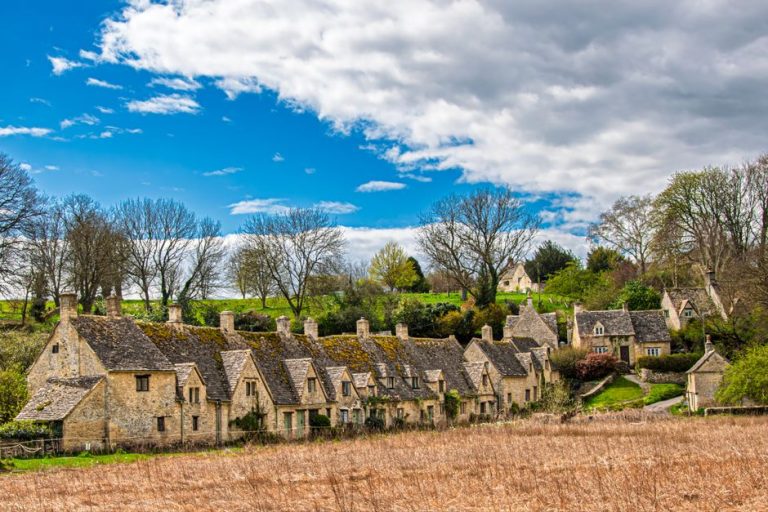
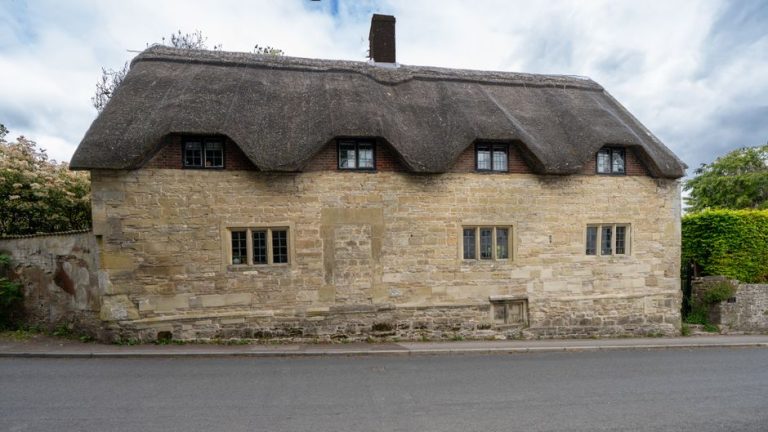
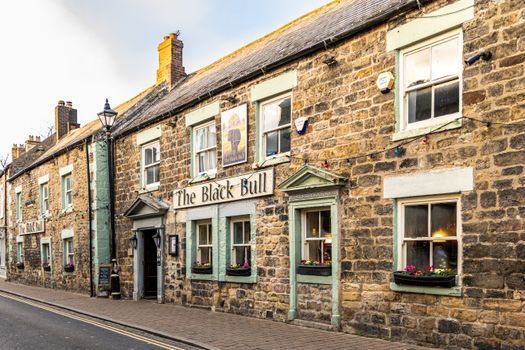
Part of it is texture. English village cozy mysteries are described as a subgenre of cozy crime fiction that takes readers to idyllic, deceptively perilous villages in rural England, where cobbled lanes and thatched cottages sit alongside a pub or a busy tea shop and gossip flows as freely as the Earl Grey. That combination of snug and sinister is the engine. The reader settles in, then notices that the snugness is exactly what makes a body in the library so shocking.
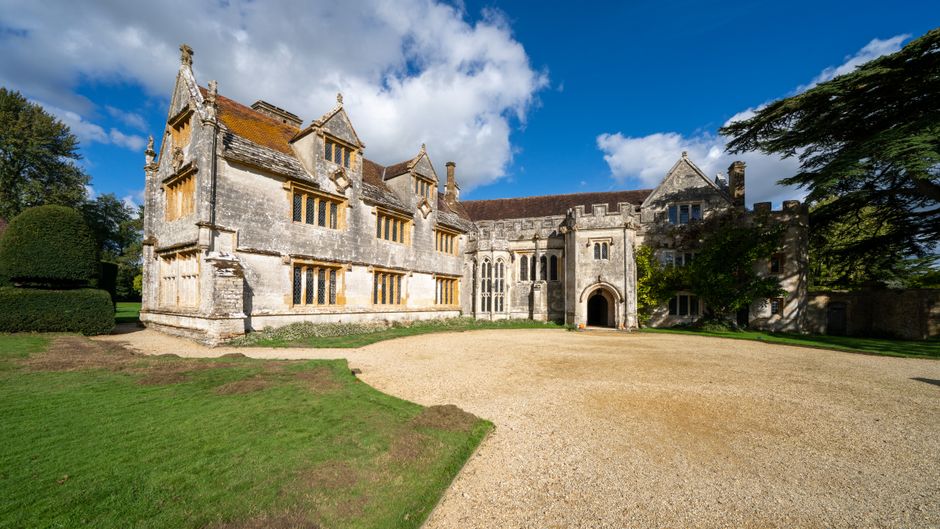
Manor houses do the same job on a grander scale. Books set in England frequently make use of eerie manor houses with long corridors and awkward family histories, because a house with servants’ stairs and locked wings is a maze with a social hierarchy built into it. Everyone has a reason to be in the corridor, and nobody’s account of it can be trusted.
Class adds another layer that historical settings supply for free. A Victorian or Edwardian household has rules about who speaks first, who sits where and who is invisible. Those rules are a gift to a mystery writer, since the person nobody notices is often the one who saw everything.
The Golden Age: where most readers begin
The interwar years are the sweet spot for many readers, and for good reason. This was the era of the clue-based puzzle, where the author plays fair, the suspects are gathered, and the solution arrives in a final chapter that rewards careful reading. Fan lists of the period keep returning to the same names: Christie, Street, Mitchell, Carr and Bruce, a shorthand for the writers who defined the style.
The reach of that period is wider than five surnames, though. One long-running survey of 150 favourite Golden Age British detective novels names Christie and Street alongside Mitchell, Carr and Bruce, and it reaches into titles from the late 1930s such as Murder on Safari (1938) and Death of an Aryan (1939). Part of the pleasure of the era is that so much of it was prolific and then forgotten, which means there are still names to discover. The British Library’s Crime Classics collection exists for exactly that reason, reissuing Golden Age detective fiction alongside other crime classics, and it is one of the simplest routes into titles that had drifted out of print.
Classic British mysteries from the Victorian era onwards
If you want to start at the very beginning of the detective tradition, a well-known historical British mystery booklist opens with two very early entries: The Murders in the Rue Morgue (1841) by Edgar Allan Poe, and The Woman in White (1859) by Wilkie Collins. The Poe story is usually credited with assembling the pieces of the detective formula, while Collins writes a long, atmospheric mystery of identity, inheritance and slow dread.
Reading them now is a reminder that the Victorian novel and the mystery novel grew up together. Both are comfortable with large casts, tangled legal questions and the sense that respectability is a mask. If you enjoy the puzzle mechanics of the Golden Age but want more fog and fewer diagrams, these two are the natural starting point.
Gilded Age and Victorian settings across the Atlantic
British readers who enjoy period detail often drift towards the American Gilded Age, which offers the same obsession with money, marriage and reputation. Two frequently recommended examples are Murder at the Breakers by Alyssa Maxwell, set in 1895, and The Alienist by Caleb Carr, set in 1896. Both take the technologies and social rules of the late nineteenth century seriously, including the fact that detectives had no fingerprints database and no phone to hand.
Anne Perry is another name that comes up constantly in this corner of the genre. After a variety of jobs, she began writing historical romance under her own name, and the majority of her novels are set in the Victorian era. That Victorian grounding is why her work sits so comfortably on a shelf with British historical detective fiction, even though the crimes often unfold in grand houses rather than villages.
Modern historical detective fiction and audiobooks
If you listen rather than read, British historical detective fiction has a healthy audio shelf. Murder Most British by Helena Dixon, narrated by Kristin Atherton, and The Royal Secret by Andrew Taylor both appear in audio catalogues dedicated to British historical detective fiction. Period mysteries often suit narration well, because the prose tends to carry more description than a contemporary thriller, and a good narrator can make a long dinner-party scene fly past.
A practical tip for audio: shorter Golden Age mysteries are usually easier to follow than sprawling Victorian ones. With a large cast and a lot of names that sound alike, it helps to have a paperback or ebook copy to hand for the first few chapters, or to keep a note of who is who before the body turns up.

If you want the British setting without the history
Not every reader wants corsets and carriages. Contemporary British mystery novels keep the islands, the weather and the closed communities, but swap gas lamps for mobile phones. Popular examples on reader shelves include The Silkworm by Robert Galbraith, The Various Haunts of Men by Susan Hill and Body of Death by Elizabeth George.
Reading one contemporary and one historical title back to back is a useful exercise for anyone learning the genre. The settings rhyme, the investigative methods do not, and the differences show you exactly what a historical setting is doing for a plot when it is working properly.
English village cozies: the tradition continues
The village cozy is where the British mystery tradition is most alive right now. These books keep the quaint setting and the low body count, and they usually hand the investigation to an amateur rather than a police officer: a sharp-witted tea shop owner, a nosy librarian, a retired schoolteacher with too much time and not enough tact. The gossip network does the work of a forensic lab, and the village itself becomes a suspect.
That is the territory our own authors work in. The Mystery Collective publishes cozy, historical and traditional mysteries, with print-on-demand paperbacks and eBooks available for readers who want a village puzzle they can finish in a weekend. The tone is deliberately warm, and the reveals are meant to satisfy rather than shock.
A quick comparison of reader picks
| Title | Author | Era or category noted in sources |
|---|---|---|
| The Murders in the Rue Morgue | Edgar Allan Poe | 1841 |
| The Woman in White | Wilkie Collins | 1859 |
| Murder at the Breakers | Alyssa Maxwell | Set in 1895 |
| The Alienist | Caleb Carr | Set in 1896 |
| Murder on Safari | Golden Age British detective fiction | 1938 |
| Death of an Aryan | Golden Age British detective fiction | 1939 |
| Murder Most British | Helena Dixon, narrated by Kristin Atherton | British historical detective fiction (audiobook) |
| The Royal Secret | Andrew Taylor | British historical detective fiction (audiobook) |
| The Silkworm | Robert Galbraith | Contemporary British mystery |
| The Various Haunts of Men | Susan Hill | Contemporary British mystery |
| Body of Death | Elizabeth George | Contemporary British mystery |
How to build a British mystery reading list that lasts
Genre reading rewards a bit of structure, especially when the backlist runs to hundreds of titles per author. A few habits make the difference between a scattered pile and a list you actually work through.
- Start with one era and stay there for three or four books. Mixing Victorian sensation novels with 1930s puzzles and modern cozies can blur what each period is actually doing well.
- Alternate a famous name with a reissue. Read a well-known Christie or Collins, then pick up something from a Golden Age reprint collection so you are constantly meeting new writers.
- Match the book to the season. A village cozy in autumn and a long Victorian novel in winter is not a rule, but the mood of a British setting lands differently depending on the weather outside your own window.
- Keep a small notebook or a note on your phone for suspects. Half the pleasure of a fair-play mystery is testing your theory against the clues the author planted.
- Try audio for anything under about ten hours and print for anything longer. It is a rough guide, not a law, but it saves a lot of rewinding.
Above all, treat the list as a starting point rather than a syllabus. The British mystery tradition is unusually deep, and the books that stay with you are often the ones nobody recommended, found on a library shelf by accident. If a manor house, a village pub or a foggy London street sounds like your kind of crime scene, there is more than a century of it waiting to be read.
Frequently Asked Questions
What makes a mystery historical rather than simply old?
A historical mystery is written now but set in the past, so the author researches the period rather than remembering it. That is different from a Golden Age novel, which was contemporary when it was first published and has simply aged into history. Both are worth reading, but they offer different pleasures: one is careful reconstruction, the other is a genuine voice from the era.
Where should I start with Golden Age British detective fiction?
Begin with a single country house mystery and see how the pace suits you. Fan lists of the period keep returning to Christie, Street, Mitchell, Carr and Bruce, and the British Library’s Crime Classics collection reissues many Golden Age detective titles that had gone out of print. A reprint edition is often the easiest way to try a lesser-known name without hunting down a rare copy.
Are British historical mysteries suitable for readers who avoid graphic violence?
Plenty are. The village cozy tradition grew out of a style where the puzzle matters more than the gore, and where the sleuth is often an amateur such as a tea shop owner or a librarian rather than a police officer. If you prefer no on-page violence, look for books described as cozy crime or traditional mystery.
Do these books work well as audiobooks?
They do, and period detail often suits a narrator who can handle regional accents. Murder Most British by Helena Dixon, read by Kristin Atherton, is a good example of a British historical detective novel produced as an audiobook. Longer Victorian novels can be harder going in audio because of their pacing, so a shorter Golden Age mystery is usually the safer first listen.
Are there historical mysteries set outside Britain that scratch the same itch?
Yes. The Gilded Age wave includes Murder at the Breakers by Alyssa Maxwell, set in 1895, and The Alienist by Caleb Carr, set in 1896. They swap British villages for American cities and mansions, but they keep the same ingredients: a closed world of moneyed families, period technology, and a detective working without modern forensic tools.