
Great Historical Detective Novels: From the Victorian Age to Post-War Favourites
There is a particular pleasure in reading a mystery set long before you were born. Historical detective novels carry readers into another time and invite them to solve a puzzle in a world that no longer exists. For some readers, that world is the gas-lit Victorian street, full of fog, grand houses and unspoken rules. For others, it is the quieter atmosphere of the post-war years. Whatever the period, the appeal is the same: a clever crime, a memorable investigator, and a satisfying reveal.
The genre is now one of the liveliest corners of crime fiction. Bookshops devote serious shelf space to it, and reviewers have devoted serious time to it too. One dedicated reviewer has written about two hundred historical mysteries and thrillers on a single site, publishing both a top ten list and a separate guide to fourteen series. With that much scope and quality, the challenge is not finding books but choosing among them.
What Defines a Historical Detective Novel?
The definition is simpler than the variety suggests. A historical mystery, sometimes called a historical whodunit, sits at the meeting point of two literary traditions: historical fiction and mystery fiction. Works in the genre are set in a time period considered historical from the author’s perspective, and their central plots involve the solving of a mystery or crime.
That phrase, “from the author’s perspective”, matters. A novel does not have to be set in the distant past to count as historical. If a writer describes an era outside their own experience, the story qualifies even when it is set only a generation or two earlier. It also means that a mystery written in the middle of the twentieth century can feel thoroughly historical to a reader picking it up today.
Why the Victorian and Post-War Eras Suit a Mystery
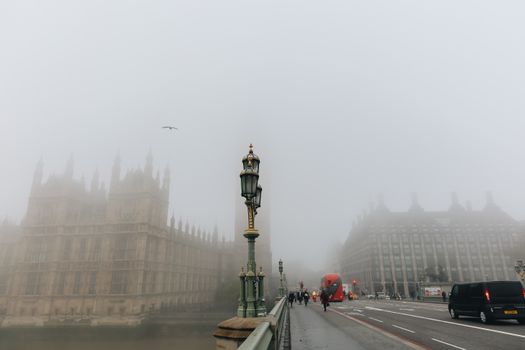
The Victorian period is almost tailor-made for crime fiction. Its foggy streets, formal manners and layered households give secrets plenty of places to hide. Reputations must be protected, visitors come and go without explanation, and the gap between public respectability and private behaviour creates motive after motive.
The post-war years have a different pull, but just as strong. Communities were rebuilding, old certainties had been shaken, and everyday life carried a quiet tension that suits suspense well. Because this period sits closer to living memory, it can feel more recognisable, yet for readers who never lived through it, the era is undeniably historical. Titles such as The Franchise Affair appear on the Sunday Times list of the best crime novels and thrillers since 1945, sitting quite naturally beside later books on the same shelf.
Early Landmarks of the Genre
The historical detective novel has deeper roots than many readers realise. Uncle Abner: Master of Mysteries, the collection by Melville Davisson Post, appeared in 1918 and is still mentioned whenever the early history of the genre is discussed. It remains a reminder that period crime fiction has been delighting readers for more than a century.
Tudor England: The Series That Leads the Conversation
Ask for a recommendation in historical crime fiction and the Matthew Shardlake series by C. J. Sansom will soon appear. The opening novel, Dissolution, was published in 2003 and starts with a lawyer investigating a murder at a monastery in 1536. The setting is a moment of enormous political and religious tension, and the mystery grows directly out of it.
Dissolution appears at the top of one reviewer’s selection of the eight best historical mystery series, and it leads the popular shelves on Goodreads, where it carries an average rating of 4.06 from more than 63,000 ratings. The follow-up, Dark Fire, keeps Shardlake busy with a case tied to King Henry VIII’s search for an ancient superweapon. For readers who love watching a detective return again and again, this is the natural place to begin.
European Mysteries Beyond the British Isles
Historical detective fiction is not confined to one country. Some of the most atmospheric titles are set on the continent, and the European shelf of historical mysteries includes:
- The Hangman’s Daughter by Oliver Pötzsch, set in Germany in 1659.
- The One Thing More by Anne Perry.
- The Masked Man, set in France in 1705.
Each of these books shows how a change of scenery can refresh a familiar formula. The social rules that hide the truth differ from place to place, and the detective must work within them. The underlying promise remains the same: a knotty puzzle and a satisfying reveal.

Medieval Favourites and Popular Shelf Companions
Shelves labelled historical crime fiction hold many well-loved titles. Among the most popular on reader lists are A Bone of Contention by Susanna Gregory and The Apothecary Rose by Candace Robb. Bride by Bella Ellis appears beside them on the same shelves. These titles are often among the most-shelved historical crime fiction on reader databases such as Goodreads.
Country Houses, Coastal Settings and Newer Series
The genre keeps growing, and modern authors continue to find fresh corners of the past to explore. On current historical mystery shelves you will find The Country House Murders, the opening entry in the Polly Hope Mysteries, alongside titles such as The Murder at World’s End and Death on the Pier. These are the kind of books that suit readers who love a contained setting and a close circle of suspects.
Independent bookshops are just as enthusiastic. One UK shop currently promotes The Deadly Inheritance of Everest Macdonald by A. J. West as ‘this year’s most thrilling historical mystery’, available as a signed, sprayed-edge edition. New releases arrive all the time, which keeps the historical detective novel firmly rooted in the present of publishing.
Series, Standalones and Well-Stocked Shelves
Some readers prefer to commit to a long series and watch one investigator develop across cases. The Matthew Shardlake books are a fine example, with Dissolution and Dark Fire showing how a recurring detective can grow. Others prefer to sample widely, moving from Tudor England to Germany to France without rereading the same character twice.
Both approaches are well supported. Alongside the guide to fourteen historical mystery series, the same reviewer has published a top ten list of historical mysteries and thrillers drawn from two hundred reviews. Retailers offer plenty of scope too: one major UK bookseller lists about 2,400 titles in its historical mysteries category alone, and reader databases such as Goodreads make it easy to sort popular titles by rating.
How to Choose Your Next Historical Detective Novel
The simplest route is to choose an era that intrigues you. If Tudor politics appeal, begin with Dissolution. If you want a German town in the 1600s, try The Hangman’s Daughter. If a French setting from 1705 sounds tempting, The Masked Man is a strong option, and for a traditional country house mystery, The Country House Murders opens a whole series.
Wherever you begin, the pleasure is consistent. A mystery from the past asks you to look closely at human nature in a world just out of reach. The clues, motives and reveals all feel different when wrapped in history, and many readers find that difference addictive. At The Mystery Collective, our own novels share those tastes: character-driven puzzles, cosy settings and satisfying reveals. Keep an eye on this blog for further reading lists and happy investigating.
Frequently Asked Questions
Here are answers to common questions about historical detective novels.
What is a historical detective novel?
A historical detective novel, often called a historical whodunit, combines historical fiction with mystery fiction. It is set in a time period considered historical from the author’s perspective, and the central plot involves the solving of a mystery or crime. The investigator must work within the limits of their own era, which shapes the story from the first clue to the final reveal.
How far back must a novel be set to count as historical?
There is no fixed date. The deciding point is the author’s perspective. A novel set in 1536 such as Dissolution is clearly historical, but a story set in the post-war years can also qualify once the author writes about an era outside their own living memory. Judge each book by its atmosphere rather than a strict rule.
Are all historical detective novels set in Britain?
No. British settings are common, from Tudor monasteries to country houses, but the genre reaches further. The Hangman’s Daughter is set in Germany in 1659, The Masked Man is set in France in 1705, and popular shelves hold mysteries from across Europe. The formula stays the same wherever the story takes place: a historical world, a crime, and a detective determined to explain it.
Which historical detective novel should I read first?
Dissolution by C. J. Sansom is an excellent starting point. As the first Matthew Shardlake novel, it opens a popular series, is set in 1536 and tops several recommended reading lists. Its Goodreads average rating of 4.06 from more than 63,000 ratings offers useful reassurance. Alternatively, The Apothecary Rose by Candace Robb is another popular title worth trying.
Do I need historical knowledge to enjoy these books?
No. These books are fiction first, and a skilled author brings the period to life within the story. Clues and motives make sense without prior study, while real events add texture rather than homework. Relax and let the mystery carry you; you can always look up any intriguing detail afterwards.