

Village Life Mystery Novels: Secrets Behind the Picket Fences
Some of the most compelling whodunits never stray far from the village green. The post office, the church hall, the pub, and the tangle of cottages around a familiar landmark give crime writers everything they need for a story where everyone knows your name but nobody knows your secrets. Village life mystery novels have been a staple of the genre for generations, and readers keep returning to them for the same reason that writers keep setting crimes among flowerbeds and fence lines: the setting itself does so much of the work.
Why Villages Suit Crime Fiction So Well
A village is a closed world. There are only so many houses, so many families, and so many possible suspects. That compactness creates the perfect conditions for a mystery, because the detective cannot retreat to a city station or rely on a parade of anonymous strangers. Instead, the investigation moves through the community, brushing against long-held grudges, careful polite behaviour, and the everyday rituals that keep a small place running.
As the Agatha Christie website explains, ‘A village can feel like a world apart, untouched by time and this fuels the nostalgia factor for crime writers influenced by the Golden Age.’ That sense of timelessness is exactly why village life mystery novels feel so comfortable to read, even when the plot turns dark. The reader knows the hedgerows and lanes, yet the author reveals something unexpected hiding behind them.
Part of the appeal is the chance to play detective alongside the investigator. Because the suspect pool is small, readers can track motives and alibis without a notebook. Every glance across the church pews, every pointed comment at the village fete, and every missed cup of tea becomes a clue. The tension comes not from the body count but from the slow unravelling of a community’s carefully kept secrets.
A Golden Age Tradition
Small towns and villages have been a favourite setting for murder mysteries for many years, from the earliest days of the genre through the Golden Age of detective fiction. Few names are more closely connected to this tradition than Agatha Christie. Discussions of the English village mystery regularly point to fine examples from her work, including The Murder of Roger Ackroyd, Murder Is Easy, and the iconic The Murder at the Vicarage.
These novels helped establish the template that so many village life mystery novels still follow. A new arrival or an outsider disrupts the rhythm of daily life. A body appears in an unexpected place. And beneath the polite surface, neighbours turn out to have been watching one another with suspicion all along. Christie’s genius lay in making the village feel both homely and dangerous at once, a balance that modern writers continue to borrow.
The Village as a World Apart
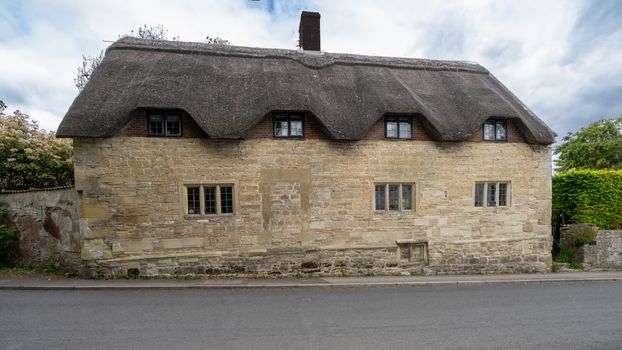
The phrase ‘world apart’ captures something essential about the geography of these stories. Villages in fiction often feel as though time has passed them by. There is no rush of traffic, no anonymous crowd, and no reason to lock the door. That very stillness makes a crime feel more shocking, because the community has been presented as a refuge from the wider world.
This is why village life mystery novels work so well as comfort reading. They invite the reader into a world that is orderly on the surface and then allow the mystery to pull that order apart, piece by piece. The reader gets the pleasure of the puzzle and the reassurance of returning, by the final chapter, to a community where the threat has been removed and the routine can begin again.
Small Towns Beyond the English Village
The appeal of this setting is not confined to the English countryside. Book lists devoted to small-town mysteries and thrillers feature stories set as far afield as the American South, the Australian outback, and an icy northern settlement. In each case, the same logic applies: isolation, limited suspects, and a web of personal connections make the mystery feel urgent and personal.
These international takes on the small-town mystery show how flexible the format can be. A close-knit community in any climate can hide the same kind of secrets, whether the landscape is red dirt, frozen tundra, or manicured English lawns. The village mystery may have been perfected in Britain, but it travels well.

Cosy Village Mystery Series to Try
Readers looking for village life mystery novels with a warm tone have plenty of options. The Beaufort Scales mysteries by Kim M Watt, beginning with Baking Bad, are regularly recommended in reader discussions about murder mysteries set in small towns. T.E. Kinsey’s A Quiet Life in the Country is another favourite for those who want a mystery with wit and period charm.
Margaret Mayhew’s The Village Mysteries box set gathers four cosy murder mystery stories in one collection. The books are set in Frog End, described as a beautiful English village with some dark secrets. The Kindle edition has attracted thousands of ratings and is available from £1.99, making it an easy starting point for anyone new to the sub-genre. The promise of a pretty village with hidden depths is exactly what keeps readers coming back.
For readers who prefer their crime fiction without graphic violence, village cosies are a natural fit. The murder usually happens off the page, and the pleasure comes from the investigation, the cast of recurring characters, and the wit of the writing. These are mysteries to savour with a cup of tea rather than read with the lights on.
English Village Life in Fiction Beyond the Whodunit
The fascination with village life extends well beyond crime fiction. A popular Goodreads shelf devoted to English village life collects titles such as Miss Ranskill Comes Home, Tea Is So Intoxicating, and Spam Tomorrow, while Penelope Fitzgerald’s The Bookshop, published in 1978, remains a much-read portrait of a small community. These titles show that the rhythms of village life have always made good material for storytellers, whether the plot involves a murder or not.
Even when the subject is not crime, village fiction tends to circle the same themes: gossip, belonging, class, and the quiet battles that take place behind closed doors. That is surely why readers of village life mystery novels often enjoy these gentler books as a change of pace, and why the two genres sit so comfortably alongside each other on the shelf.
Writers have also looked beyond England for village-set fiction. The Guardian’s top ten novels set in villages includes Things Fall Apart by Chinua Achebe and Who Was Changed and Who Was Dead by Barbara Comyns, proof that the village as a setting has inspired authors across very different traditions and periods.

Listening to Village Mysteries
Village life mystery novels also work exceptionally well as audiobooks. Audible offers a selection of best-selling and newly released Village audiobooks, along with original audio performances, so listeners can enjoy a British village mystery while walking the dog or driving to work. The conversational tone of much village crime fiction, with its gossip, local dialect, and cast of memorable characters, lends itself naturally to narration.
For readers who prefer their crime in print, the same stories are available in print and digital editions, so the choice comes down to mood. Print offers the chance to linger over the details of village life, while audio brings the accents and atmosphere of the setting directly into the ear. Either way, the appeal of the village mystery remains the same.
Frequently Asked Questions
What are village life mystery novels?
Village life mystery novels are crime stories set in a small, often rural community, where the limited cast of characters and close social ties shape the investigation. They tend to focus on relationships, secrets, and the contrast between a peaceful surface and the crime hidden beneath it, rather than on forensic procedure or fast-paced action. The village itself is effectively a character in the story.
Which Agatha Christie novels are set in English villages?
Fine examples from Agatha Christie include The Murder of Roger Ackroyd, Murder Is Easy, and The Murder at the Vicarage. These titles are frequently cited in discussions of the English village mystery and demonstrate Christie’s talent for turning an ordinary parish into a place of suspicion, gossip, and hidden motives, with the murderer often hiding in plain sight among the neighbours.
What are some cosy village mystery series to try?
The Beaufort Scales mysteries by Kim M Watt begin with Baking Bad, and A Quiet Life in the Country by T.E. Kinsey is another well-liked recommendation. Both are often suggested by readers who enjoy murder mysteries set in a small town or village, and both bring humour and warmth to the whodunit format while still delivering a proper puzzle and a satisfying reveal.
Are small-town mysteries only set in England?
No. Small-town mysteries and thrillers span settings ranging from the American South to the Australian outback to an icy northern settlement. The appeal of a closed community where everyone knows one another translates well across cultures, even though the English village remains the most famous and most frequently imitated example of the form in crime fiction.
Village life mystery novels continue to attract new readers because they offer something rare in crime fiction: a puzzle that feels personal, a setting that feels familiar, and the quiet pleasure of watching a community’s secrets come to light one by one. From Agatha Christie’s Golden Age classics to modern cosy series like the Beaufort Scales mysteries and Margaret Mayhew’s Frog End stories, the picket fence still conceals some of the best mysteries in the genre.