Cosy Mystery Books Set in English Villages: A Reading List
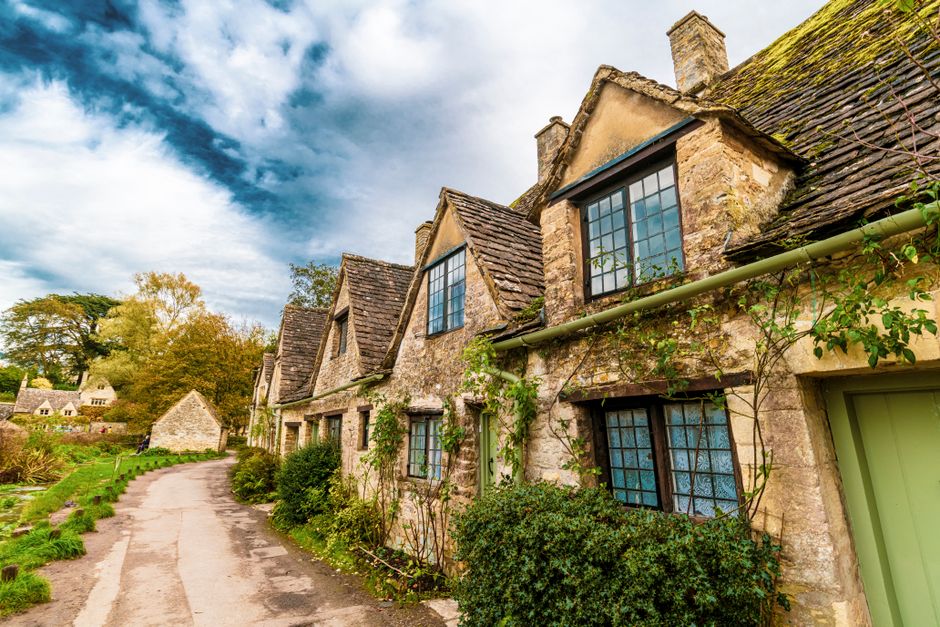
An English village is the natural habitat of the cosy mystery. Thatched cottages, a parish church, a village shop, and a small population with long memories give an author everything needed to plant a body and a puzzle in the same afternoon.
The list below covers a classic Cotswolds series and a more recent village mystery, then explains how to build a reading list around the setting itself, whether you prefer paperbacks, eBooks or audiobooks.
Why English Villages Suit Cosy Mysteries So Well
England is widely treated as the spiritual home of the cosy mystery. Agatha Christie set the template, and a long line of authors has followed her into the thatched-roof villages, stately homes and quaint market towns of the English countryside. The setting does a lot of the work before the detective has even arrived.
Rural England gives a mystery two things at once. On the surface there is the picturesque village, all cottages, hedgerows and a village green. Underneath, as the crime writer Phillip Strang puts it, those same picturesque villages hide dark secrets, and isolated communities breed suspicion. That gap between the postcard and the truth is exactly where a cosy mystery lives.
There is a practical side too. A village is small enough that everyone knows everyone else, so gossip, old grudges and family history can supply motive without a large cast. A death in a village is a genuine disruption, which gives the amateur sleuth a reason to get involved. The stakes feel personal, and the puzzle stays close to home.
The Series That Defined the Modern Village Cosy
If you want one series to start with, the Agatha Raisin Mysteries by M.C. Beaton are the obvious choice. They are set in Carsely in the Cotswolds, and reading blogs such as Emily’s Reading Room describe them as the definitive modern Cotswolds cosy.
The appeal is the clash between newcomer and village. Agatha arrives from London and finds herself out of place in rural life, and that fish-out-of-water experience keeps the books funny, sharp and endlessly entertaining. It also gives the series a light touch that sits comfortably alongside the puzzle solving, which is what many readers look for in this genre.
Because the series runs long, the reading order matters more than it does for one-off novels. Emily’s Reading Room publishes a full reading order guide, which is a sensible place to check before you commit to a run of books.

A Village Shop Mystery Worth Adding to the Pile
For something more recent, try Villainy at the Village Store by Elizabeth Ducie. It is the second book in the Coombesford Chronicles, and its retail listings describe it as a completely gripping cosy mystery set in an English village.
Note the series number. Village mysteries often build a returning cast, so if you like to meet characters in the order they were introduced, it is worth checking whether you would rather begin with the first book in the Coombesford Chronicles before moving on to this one. If you are happy to drop into a series mid-run, this one works perfectly well as a village setting on its own.
The ISBN for the paperback edition is 9781913020132, which is the quickest way to ask for it in a bookshop or to search a library catalogue.
A Village Cosy Reading List at a Glance
Two very different routes into the genre, both firmly rooted in village life.
| Book or series | Author | Setting | Best for |
|---|---|---|---|
| Agatha Raisin Mysteries | M.C. Beaton | Carsely, Cotswolds | Readers who want gentle humour alongside the mystery, and a long series to work through |
| Villainy at the Village Store (Coombesford Chronicles, book 2) | Elizabeth Ducie | An English village | Readers who want a gripping village mystery and do not mind joining a series in progress |
Both are available in the usual places: high street bookshops, online retailers and libraries. Checking a current retailer listing is the reliable way to confirm the edition, format and price before you buy.
Village Settings Beyond the Cotswolds
The Cotswolds is the classic backdrop, but it is not the only one. Reading guides covering cosy mysteries set in England describe a range that stretches from the Cotswolds to London and out into the English countryside, which gives you plenty of variety once you have worked through the obvious names.
Different settings deliver different moods:
- Stately homes and their grounds, where the household itself becomes a closed circle of suspects.
- Quaint market towns, which offer a slightly bigger cast and more places for secrets to hide.
- Isolated rural communities, where suspicion brews quietly and help is a long way off.
If you already know which kind of village you enjoy, use that as your filter. Readers who like the comedy of a newcomer arriving in a tight-knit community will gravitate to one sort of book, while readers who prefer a darker, more watchful village will prefer another. Neither is wrong, and the cosy label covers a broader range than newcomers often expect.

How to Build a Village Reading List That Suits You
A little planning goes a long way with series fiction. These are the decisions worth making before you start buying.
- Decide how much humour you want. Some village mysteries are gentle comedies of manners, while others keep the jokes to a minimum.
- Choose series or standalones. Long-running series reward readers who like returning characters, while standalone novels suit readers who want a complete story in one sitting.
- Check the reading order. Where a series has a numbered sequence, a published reading order guide saves you from starting in the middle by accident.
- Mix your formats. Print for the shelf, eBooks for travel and audiobooks for the commute can all sit in the same reading list.
- Use libraries and secondhand shops. Village mysteries are well represented in both, which is an inexpensive way to sample an author before committing to a whole series.
One small note on spelling: British readers will see both cosy and cozy. UK editions and UK book blogs generally use the s, while many retailer listings and series pages use the z. Searching both spellings will turn up more results.
Print, eBook or Audio
Format matters more in this genre than in some others, mainly because a series can run to many volumes. Print editions suit readers who like to keep a series together on a shelf, and print-on-demand has made smaller presses and independent authors much easier to find in paperback.
eBooks are convenient for travel and for sampling the first book in a series at low risk. Audiobooks suit anyone with a commute, and the format has a solid selection of village mysteries. Mount Up for Murder, for example, appears in the Audible UK catalogue. If you listen to a lot of crime fiction, an audiobook subscription can be a cost-effective way to work through a series quickly.
Where The Mystery Collective Fits In
The Mystery Collective is a collaboration between three published mystery authors: Clara Willow, Gideon Harrow and Rosalind Fenwick. Between them they write cosy, historical and traditional mysteries, and the site acts as a hub for their author biographies and their book listings.
If you enjoy village settings, the collective’s catalogue is worth browsing alongside the titles above. Print-on-demand paperbacks are available through Mixam.co.uk and eBooks through Books2Read.com, so you can choose the format that suits you. The blog also carries reading guides and recommendations for mystery readers, and this list is part of that series.
Frequently Asked Questions
Are Agatha Christie’s books cosy mysteries?
Readers and critics disagree, and there is no single official answer. Christie set the template that cosy mysteries still follow, and her village settings and amateur detectives feel very close to the genre. Some of her plots are darker and more psychologically unsettling than the modern cosy label suggests, so she is often described as the ancestor of the genre rather than a straightforward example of it.
What makes a mystery cosy rather than gritty?
Cosy mysteries tend to keep violence off the page, put an amateur sleuth at the centre, and resolve the puzzle by the final chapter. The setting is usually a small community where the detective knows the suspects, and the tone stays warm even when the subject is murder. Gritty crime fiction usually takes the opposite approach, with professional investigators and more explicit detail.
Do I need to read a village mystery series in order?
Not always, but it helps. Series with a numbered sequence, such as the Coombesford Chronicles, usually develop a recurring cast, so starting later can mean missing introductions and background. Standalone novels and loosely connected series are much easier to pick up anywhere. If order matters to you, check a published reading order guide before buying.
Where can I buy cosy mysteries set in English villages?
High street bookshops, online retailers, libraries and charity shops all stock them, and the genre is well served in all four. For independent and small press titles, print-on-demand and eBook editions are often the easiest route. The Mystery Collective’s paperbacks are available through Mixam.co.uk and its eBooks through Books2Read.com.