Modern Mystery Books: The Best New Voices in the Genre
What makes a mystery feel modern is rarely the crime itself. It is the way the story is told: a detective whose private life keeps intruding, a narrator whose account cannot be taken entirely at face value, a setting that carries its own history. The genre has always absorbed new voices quickly, and the last few years have brought a wave of writers who sit comfortably beside the classics while doing something distinctly their own. This guide looks at the strands, the names and the shelves where those new voices are being discovered.
What separates a modern mystery book from a classic one
The skeleton of the classic puzzle is still very much alive. Penguin Modern Classics continues to publish a Crime, Thrillers and Mystery range, which tells you readers still want the older tradition available in print. What has changed is the amount of interior life packed around the puzzle. Contemporary novels borrow from psychological thrillers, gothic fiction and domestic suspense at the same time, so a single book can feel like three. Curated shelves reflect that shift: Goodreads readers maintain a twisty dark mystery shelf, while blogs group modern gothic mysteries as a category in their own right.
The new voices readers are talking about
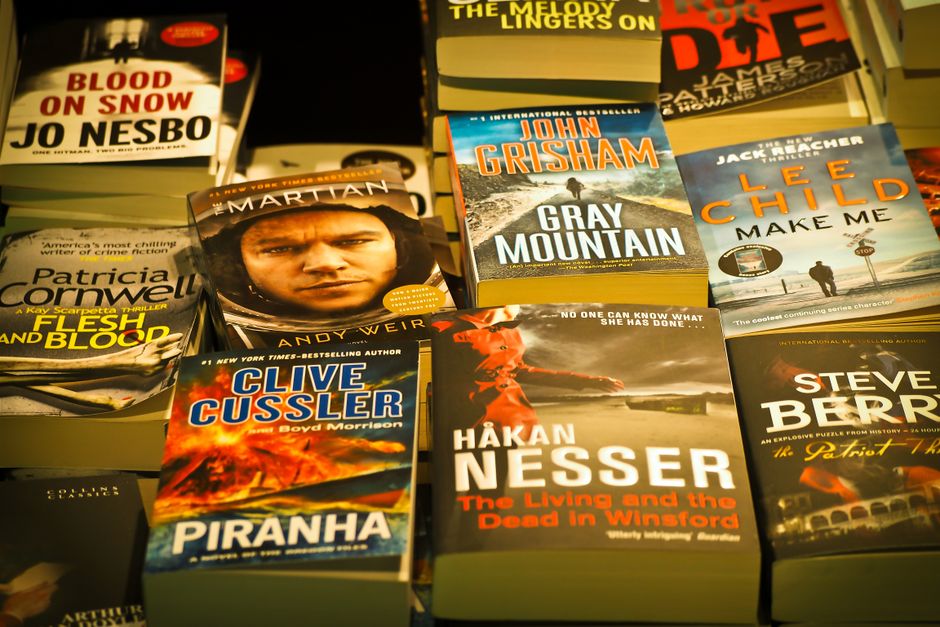
Ask a group of mystery readers for a modern name and the same handful of titles surfaces again and again. From there, the recommendations fan out into newer, less familiar territory.
Stieg Larsson and the investigative layer
The Girl with the Dragon Tattoo by Stieg Larsson is regularly described as a modern classic with deep investigative layers. It sits at the point where the traditional whodunit meets the longer, darker investigative novel, and it is one of the books most often named when a reader asks for a modern mystery to try. If you have come to the genre through golden-age puzzles, this is a common next step.
Gillian Flynn and the shift in domestic suspense
Gone Girl by Gillian Flynn is the other name that comes up most often in the same conversations. Where Larsson widened the investigation, Flynn narrowed it to a marriage, and the effect on the genre has been lasting. Between them, these two books mark out much of the territory that contemporary mystery writing now occupies: a crime at the centre, with a psychological study wrapped around it.
Jane Pek, Yosha Gunasekera and the newer arrivals
Further down the shelf, newer names are steadily building readerships. The Verifiers by Jane Pek is listed as the first Claudia Lin novel, which signals a series opener rather than a one-off. The Midnight Taxi by Yosha Gunasekera appears on curated twisty dark mystery shelves alongside it, and My Murder sits in the same company. These are the books that tend to spread through reader recommendation rather than advertising, which makes them worth watching if you like to find authors early.

Modern gothic mystery books and the return of atmosphere
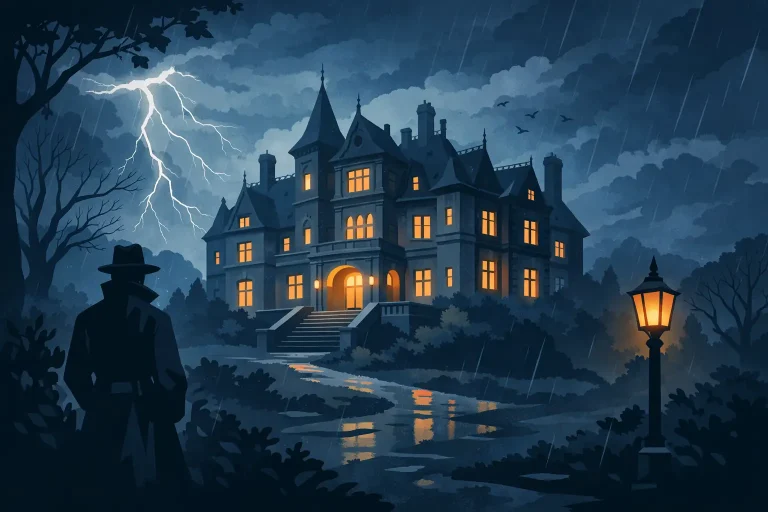
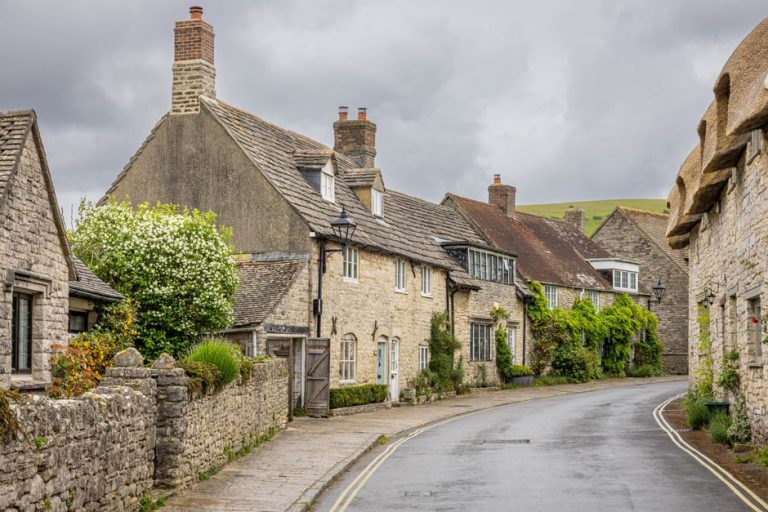
Atmosphere has come back strongly. A widely shared list of modern gothic mystery books gathers titles such as Mexican Gothic, The Death of Mrs. Westaway, Tripping Arcadia and The Orphanage by the Lake. The older gothic tradition remains in print too, with Shirley Jackson’s The Haunting of Hill House still appearing in retailer listings on Amazon.co.uk. Gothic mystery suits the modern appetite for a slow build, because the house, the family history and the landscape all do work that a single clue cannot. If you enjoy village secrets and old buildings in your reading, this is the neighbouring shelf.
Twisty dark mystery and the taste for an unresolved edge
The phrase twisty dark mystery has become a shelf of its own, with Goodreads readers maintaining a list that runs to thirty-three titles. The label describes a particular pleasure: a plot that keeps turning after you think you have it settled, and a tone that does not promise comfort. It is the opposite end of the genre from a gentle village cosy, and both are thriving at the same time. Most readers move between the two depending on mood rather than loyalty to one style.
Series, standalones and how readers choose
Reader discussion forums such as r/suggestmeabook show how open the audience is. Requests for recommendations routinely state that standalones and series are both welcome, and that classics and current releases can sit side by side on the same list without argument. The practical difference is commitment. A series opener gives you a detective to return to, which is why listings so often flag a first book with a character name, as with The Verifiers. A standalone lets an author try one self-contained trick and walk away. Neither approach is better; they simply suit different reading habits.

Where cosy and traditional mysteries fit now
Coverage of the genre is usually sorted into the same handful of strands. One mystery book blog tags its articles by cosy mystery, classic mysteries, hard-boiled mysteries, romantic thrillers, domestic thrillers, psychological thrillers, young readers and film and television, and those labels map neatly onto how shops and retailers arrange their shelves.
| Strand | What draws readers in |
|---|---|
| Cosy mystery | Village settings, amateur sleuths and a puzzle resolved without gore |
| Classic mysteries | The golden-age style puzzle, still available through publisher ranges |
| Hard-boiled mysteries | A tougher tone and a lone investigator working a hard city |
| Domestic thrillers | Conflict inside a marriage or a household |
| Psychological thrillers | Unreliable perception and interior dread |
| Romantic thrillers | Romance woven through the suspense |
| Young readers | Mystery written for a younger audience |
| Film and television | Adaptations and screen mystery coverage |
Cosy and traditional mysteries have not been displaced by the darker end of the market. If anything, the two feed each other: a reader who finishes a bleak psychological thriller often reaches for a village whodunit next, precisely because the comfort is the point. The Mystery Collective’s own catalogue sits firmly in this territory, with character-driven whodunits that aim for a satisfying reveal rather than shock.
How to find new voices without wasting a month
Finding the right new author is mostly a matter of knowing which shelves to browse. Bestseller lists reward marketing budgets, while the books that suit a particular reader are more often found elsewhere.
- Follow curated reader shelves rather than charts, since these reflect actual reading tastes.
- Browse publisher ranges, which often gather a tradition or a style under one banner.
- Read recommendation threads on forums, where readers describe what they liked and why.
- Note series openers, which are usually flagged with a character name in the listing.
- Check the retailer or publisher page before buying, because formats, prices and availability do change over time.
It also helps to read widely within a strand before deciding you dislike it. A hard-boiled novel and a cosy village mystery can share almost nothing except a body and a question. If one disappoints you, the other may not.

The Mystery Collective’s own new voices
The Mystery Collective is a collaborative brand for three published mystery authors, Clara Willow, Gideon Harrow and Rosalind Fenwick, who write across cosy, historical and traditional mystery styles. The website acts as a hub: it introduces each author, lists their books and points readers towards where the titles can be bought. Paperbacks are produced print-on-demand through Mixam.co.uk, while eBook editions are available through Books2Read.com. There is also a blog covering reading recommendations, from clean mysteries with no graphic violence to character-driven novels and cosy English village settings. For readers who have worked through the well-known names and want to try an independent voice, it is a sensible place to start.
Frequently Asked Questions
What are some good modern mystery books to start with?
Two titles are named more often than any others. The Girl with the Dragon Tattoo by Stieg Larsson is described as a modern classic with deep investigative layers, while Gone Girl by Gillian Flynn is the standard reference point for domestic suspense. Beyond those, The Verifiers by Jane Pek and The Midnight Taxi by Yosha Gunasekera appear on twisty dark mystery shelves.
Are modern mystery books very different from classic ones?
The puzzle structure has survived largely intact, and classic mysteries remain widely available through publisher ranges such as Penguin Modern Classics. The main difference is what surrounds the puzzle. Modern writers tend to blend in psychological suspense, gothic atmosphere or domestic drama, giving a single novel the feel of several traditions at once.
Should I choose a series or a standalone mystery?
Reader threads on forums such as r/suggestmeabook show that both are welcome, and many readers happily move between them. A series gives you a returning detective and a familiar world. A standalone delivers one complete story with no further commitment. Start with whichever appeals, and check the listing for a character name if you want a series opener.
How do I find new mystery authors before everyone else does?
Curated shelves and recommendation threads tend to surface new voices earlier than bestseller charts. Blogs that group books by strand, such as modern gothic or twisty dark mystery, are useful too. Independent publishers and author collectives are another route. Always confirm current formats and availability on the retailer or publisher page before ordering.