
How British Villages Shape the Mysteries We Love
Something about a small village changes the way we read a mystery. The hush of a village green, the glimpse of a thatched roof, the murmured conversation outside the church gate. British village mystery settings have become a genre of their own, and their power shows no sign of fading. They appear in books, on television, and in the shared imagination of readers who have never set foot in the English countryside, yet feel as though they know it intimately. The village has become one of the most reliable ingredients in the kinds of stories we reach for when we want comfort, suspense, and a satisfying reveal.
The Charm of the Quaint English Village
The most enduring British mystery settings are often the most picturesque. Think of the villages that appear in our favourite television dramas: your Broadchurches, your Shetlands, your Bletchley Circles, and especially your Happy Valleys. These are places that look perfect on a postcard, and that is precisely the point.
A village that appears too lovely to contain anything sinister becomes the perfect hiding place for secrets. The prettier the setting, the sharper the contrast when a body turns up in the vicarage garden or the village stocks. Readers and viewers enjoy the reassurance of a familiar, ordered world and the delicious shock of watching that order fracture. The crime feels more shocking precisely because the setting seems so safe.
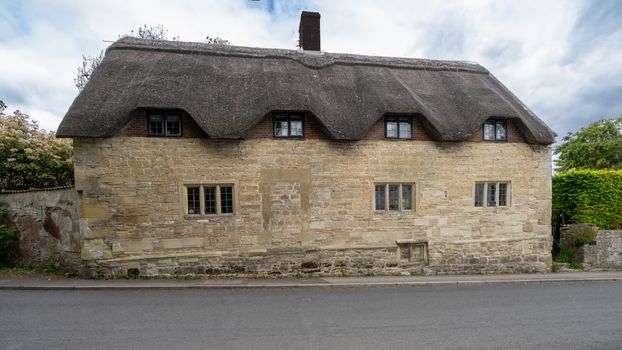
British cosy mystery settings tend to fall into a few delightful categories. Village Life is the one that springs to mind first: thatched roofs, village greens, and a local pub where everyone knows everyone else’s business. There is comfort in these details. They signal tradition, continuity, and a slower pace of life, all of which make the intrusion of crime feel more dramatic than it would in a busy city street. A murder in a crowded city can feel anonymous. A murder in a village is personal.
Village Life as a Character in Its Own Right
The village is never just a backdrop. It functions as a character in its own right, shaping the way the mystery unfolds. In a city, a suspect can disappear into a crowd. In a village, everyone notices the stranger, the unexpected car, the light left on in the window of an empty house. The very closeness of village life means that secrets are harder to keep, yet people still try, and that tension drives some of the best whodunits.
Small communities also provide a ready-made cast of suspects. The gossip, the retired colonel, the newcomer with something to hide, the vicar who knows more than they let on. Each villager has a connection to everyone else, and that web of relationships gives a mystery writer endless material for suspicion. The reader quickly learns that in a village, everyone has a reason to keep quiet.
There is also something about the physical state of village buildings that suits the genre. Many of the cottages in these stories are charming from the outside but less so within. One memorable example in a British village mystery box set uses the wonderfully atmospheric Pond Cottage, described with rising damp, a falling roof, and rot and decay throughout. That contrast between the cottage’s name and its condition mirrors the gap between how a village presents itself and what it conceals. The buildings themselves become part of the storytelling.
A Long Television Tradition
British village mysteries have a long and beloved history on screen. Lists of the best British TV mysteries set in quaint English villages tend to return to the same names time and again. Agatha Raisin, Father Brown, Grantchester, and The Danedyke Mystery all feature villages that feel both specific and familiar. These shows have built devoted audiences because they combine the comfort of a recurring setting with the suspense of a new puzzle each week.
The success of these programmes has helped cement the image of the English village in the global imagination. Viewers who have never visited Britain can picture the market square, the church spire, and the hedge-lined lanes. The settings are so strong that they become characters in their own right, as memorable as any detective. Some viewers are drawn to these shows precisely for the setting, returning week after week just to spend more time in the village.
The Special Appeal of Coastal Communities
The appeal of British village mystery settings is not limited to inland villages. Coastal locations have their own brand of charm and menace. A new twisty British mystery drama called The Northumbria Mysteries was produced along the distinctive coastline of Northumberland, and it joins a long line of seaside stories that use the weather, the isolation, and the beauty of the coast to create atmosphere.
Seaside settings bring a different flavour to a mystery. The sea can cut a village off from the mainland, trapping suspects and detectives together. Storms can delay alibis. The constant presence of the water gives these stories a restlessness that inland villages do not always share. There are also plenty of cosy mystery book series set in British coastal locations, offering amateur sleuths, witty banter, and strong seaside charm in generous measure. These stories range across different eras, from 1940s nostalgia to more contemporary settings, which means there is a coastal mystery for almost every taste.

Real Places Behind Fictional Villages
Some of the most famous village settings are fictional, but they are often inspired by real places. Midsomer and Kembleford, for instance, are associated with actual locations that stand in for them on screen. Audiences enjoy spotting the real towns and villages behind their favourite fictional communities, and the connection between fiction and reality adds an extra layer of pleasure. The settings that inspire these stories are not only villages either; they also include real riverside towns and even a Caribbean island.
Knowing that a place really exists makes the story feel more tangible. It allows readers and viewers to imagine walking the same streets, visiting the same pub, or standing on the same clifftop. The setting stops being a mere location and becomes somewhere you could visit, which deepens your investment in the lives of the characters who live there. This is one reason why fan discussions and location guides often focus as much on the places behind the fiction as on the mysteries themselves.
From the Page to the Screen and Back
Books remain the natural home of British village mystery settings. Series such as the Sister Agatha and Father Selwyn mysteries place their sleuthing in an Anglican convent in Northern Wales, with lots of tea and cakes, baking and sleuthing along the way. These stories use the rhythms of religious community life to create both structure and humour, showing that village mysteries can thrive in settings that go beyond the standard market square.
The influence flows both ways. Successful book series become television programmes, and successful programmes drive new readers to the books. The two formats feed each other, and both depend on the same enduring appeal of the village setting. A village can hold only so many people, which means every death, every secret, and every revelation feels personal. That intimacy is hard to replicate anywhere else, and it is why the format keeps producing fresh stories for new generations of readers.

Why We Keep Coming Back
The enduring popularity of British village mystery settings comes down to reassurance. Cosy mysteries are often described as character-driven whodunits with minimal violence, plenty of humour, and a strong sense of place. The village delivers all three. It promises order, community, and the certainty that, by the final page, the disruption will be resolved and everyday life will resume.
There is a particular pleasure in seeing an amateur sleuth piece together the truth while continuing to manage village life: the fete, the choir practice, the awkward encounter at the post office. These details give the mystery a satisfying texture and remind us that the world of the story is one we would like to inhabit, even with its secrets. The best village mysteries leave us with the sense that we have visited somewhere real, met people we would like to know, and watched justice restored to a place that briefly lost it.
Frequently Asked Questions
Why are British villages so popular in mystery fiction?
British villages offer a closed community with a small cast of recurring characters, which suits the puzzle structure of a whodunit. The picturesque settings create a sharp contrast with crime and violence, and the intimate nature of village life means every resident has a connection to every other. That network of relationships gives the author rich material for suspicion, red herrings, and satisfying reveals.
What are some British TV mysteries set in villages?
Popular British TV mysteries set in quaint villages include Agatha Raisin, Father Brown, Grantchester, and The Danedyke Mystery. These programmes are often praised for their strong sense of place and their ability to combine comforting settings with a new mystery each episode. The settings are so memorable that they become part of the appeal, drawing viewers back just to revisit the village.
Are there cosy mystery books set near the British coast?
Yes. There are many cosy mystery series set in British coastal locations, often featuring amateur sleuths, seaside charm, and witty banter. These stories use the isolation and beauty of the coastline to create atmosphere, and they range across different eras, from 1940s nostalgia to contemporary settings. The sea adds a distinctive flavour to each mystery that differs from inland village stories.
Do fictional village settings reflect real places?
Some of the most famous fictional settings, such as Midsomer and Kembleford, are associated with real locations used for filming. Newer productions, such as The Northumbria Mysteries, are set along the distinctive coastline of Northumberland. This connection to real places gives viewers and readers the pleasure of recognising landscapes and imagining themselves within the story.