What Is an AI Artist? Role, Craft and Creative Debate
The phrase “AI artist” has become common across forums, portfolios and art news, but its meaning is far from settled. In some conversations it describes a person who uses artificial intelligence to generate or develop artwork. In others, the term is applied to the AI system itself, treating the software as the creator. Both usages appear regularly, and each carries different assumptions about authorship, skill and intent.
For anyone new to the field, understanding what an AI artist is means looking at how the phrase is used in practice, how AI art is produced, and why the label still provokes disagreement. The answers rarely fit into a single sentence, partly because the technology keeps changing and partly because the art world has not reached a shared position on machine-assisted creativity.
What Does the Term AI Artist Mean?
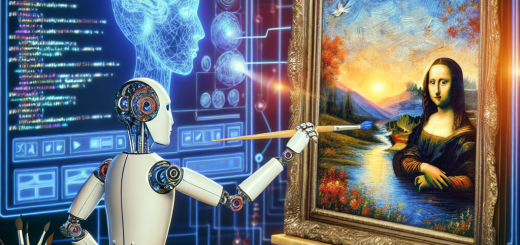
One formal definition describes an AI artist as a system, algorithm or program designed to create visual, auditory or literary art. This reading places the technology at the centre of the creative act, separate from the human operators who might start, stop or adjust the process. Under this definition, the algorithm is the artist, or at least the closest thing to one.
That is not the only way people use the phrase. On platforms such as the Midjourney subreddit, members have debated exactly what they mean when they call someone an “AI artist”. Some say the phrase refers to people who use AI-generated images as inspiration, while others apply it to those who publish generated images as finished pieces. The lack of agreement within a community that works with AI daily shows how fluid the label remains.
A fuller definition also draws a contrast with traditional artists, who rely on human skill, judgement and manual technique. When a machine produces output directly, the familiar markers of authorship become harder to apply. That is why much of the discussion around AI artists focuses less on the finished work and more on who should receive credit for it.
How AI Art Is Made
Artificial intelligence visual art, commonly shortened to AI art, can be defined as artistic content generated or assisted by AI programs. The key word is “assisted”. Some work is produced almost entirely by a model responding to a prompt, while other work involves a substantial amount of human direction, editing and finishing. Because the balance between human input and machine output varies so much, the way AI art is made differs from artist to artist.
In practice, making AI art often involves repeated attempts. A model may produce several variations of an idea, and the person using it selects the strongest result and refines it. Some outputs are treated as finished at that point; others are edited, layered or combined with other creative techniques. The quality of the final piece depends on the capability of the model and the judgement of the person guiding it.
The classification of AI-generated work remains an open question. Debates continue over whether the output should be judged by the same standards as traditional painting, drawing or photography. What most observers agree on is that AI has introduced a new set of creative methods, even if the place of those methods in art history is still being worked out.
AI Artists Work Across Many Mediums
It is tempting to think of AI artists purely in terms of imagery, but the field is broader than that. AI artists vary widely in their mediums. Some, like Pindar Van Arman, work with artificial intelligence paintings, producing visual art that is exhibited and collected. Others, such as Taryn Southern, have created music with AI, showing that the creative applications extend beyond the visual.
This range of practice means that an AI artist might be a painter, a composer or a writer. The common thread is not the medium but the method: using machine learning and algorithmic tools as part of the artistic process.
The formal definition already mentioned covers visual, auditory and literary art, and the practitioners named in surveys of the field confirm that spread. Whatever title they prefer, these artists show that the practice is not confined to a single genre.
Pioneers and Contemporary Practitioners
The idea of AI as a creative medium did not appear with the latest wave of image generators. Artists have been experimenting with artificial intelligence for years, using it as a way to ask questions about creativity, authorship and the limits of human expression.
Harold Cohen is frequently cited among these earlier figures. Cohen began exploring how computer programs could produce drawings, creating systems that made marks on paper according to rules he programmed. Yousuke Fuyama is another name often raised in discussions of AI and art, using the technology to engage with artistic and philosophical concerns. Their work is part of a longer lineage that connects early experiments to practitioners working with current tools.
The community surrounding this work has also grown. AIArtists.org describes itself as the world’s largest community of artists exploring artificial intelligence, curating historically significant AI art and listing AI art tools for creative practice. The existence of such a space shows that AI art has moved from isolated experiments to a recognised field with its own history and resources.
Why the AI Artist Title Is Controversial
The academic and critical response to the AI artist has been mixed. One scholarly article, titled “Who (or What) Is an AI Artist?”, examines several claimants to the term and grounds the discussion in art history and theory. It also addresses the controversial elevation of certain figures and works to the status of AI art. That critical attention matters because it pushes beyond simple definitions towards questions of value and recognition.
Public debate follows similar lines. In communities like r/midjourney, users openly disagree about who counts as an AI artist and whether the title is meaningful at all. Some view the person prompting the model as the artist; others see the model as the primary creator; and a further group argues that the title should not be used until the creative process is better understood.

Becoming an AI Artist
Despite the ongoing debate, many people are choosing to develop the practical side of AI artistry. Career-focused guides frame it as a path that can be taken seriously. Becoming an AI artist involves learning how to gain useful results from AI art tools and then building a body of work that can be shared. A standout portfolio matters because most audiences and potential clients make judgements based on the finished piece, not the technical details behind it.
The freelance route is also open. With the right portfolio, an AI artist can turn creative output into a freelance career using AI art tools. That said, the market is young, and income depends on factors such as audience, style and commercial demand. Anyone entering the field should check current rates and platform terms with official sources.
Beginners do not need to wait for the definitional debate to settle before experimenting. Communities that curate AI art and tools offer a sense of what has already been done, while forums where practitioners discuss methods show how quickly conventions change. Trying the tools, studying existing work and developing a personal style are the most reliable first steps.
Frequently Asked Questions
Is an AI artist a person or a program?
Both uses exist. One definition treats an AI artist as the system, algorithm or program that creates art. Another common use treats the phrase as a description of the human who operates the tools, supplying prompts, choosing outputs and shaping the final result. Conversations about AI artistry regularly blend these meanings, so it helps to consider the context before assuming which one a speaker intends.
Are AI artists real artists?
The question is genuinely contested. Critics and scholars have examined the claims made around AI art and placed them within art history and theory. Some argue that AI is simply another medium, while others believe authorship requires human intention in the way traditional artists exercise it. There is no universal verdict, and the term continues to be debated in publications, galleries and online forums.
What kinds of work do AI artists produce?
AI artists work across visual, musical and literary forms. Well-known examples include artificial intelligence paintings and AI-created music, and the range of expression has grown as tools have improved. Many practitioners combine AI output with traditional editing and finishing techniques, producing pieces that would be difficult to create through earlier methods alone.