Innovation Unleashed: The Power and Potential of AI Artistry
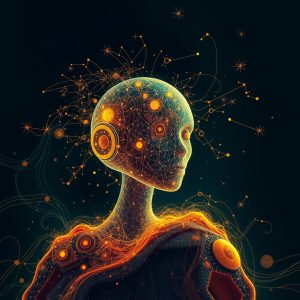
Exploring the Title Subject
The concept of digital artistry has undergone a significant transformation with the advent of artificial intelligence (AI). Artists have always been at the forefront of experimentation, constantly exploring new mediums and technologies to enhance their creativity. Today, AI has emerged as a powerful tool in the realm of digital art, offering unprecedented opportunities to redefine artistic expression and innovation. The fusion of technology with traditional creativity is paving the way for an exciting future, where AI not only assists but also collaborates with artists to push the boundaries of what is possible.
Contextual Relevance Today
In our digitally-driven world, the incorporation of AI in artistry is not just a trend but a reflection of broader technological advances infiltrating every aspect of life. From AI-generated paintings to music compositions, the role of AI in the creative process serves as both a complementary component and a disruptive force. Institutions and galleries worldwide are starting to recognize digital art as a significant, evolution-driven genre that requires attention and respect. As AI tools become more accessible, they democratize art creation, enabling individuals from various backgrounds to engage in creative endeavors.
Major Issues Highlighted
Despite the enthusiasm surrounding AI artistry, it does not come without challenges. One major issue is the debate over authorship and originality in works generated by AI. Critics question the authenticity of AI-generated art and who should receive credit. Additionally, there is a concern over AI replacing human creativity, as the automation in art raises fears about the diminishing role of human touch and emotion in the creative process.
Societal and Cultural Implications
AI in art is not just reshaping artistic practices but also influencing societal and cultural perceptions of creativity. The rise of AI-generated art stimulates conversations about the role of machines in human society and their impact on culture. With AI creations challenging our notions of creativity, society is compelled to reconsider the value and meaning we assign to art and the role of the artist in a technologically advanced world.
Voices from the Field
Prominent artists and technologists are adding valuable insights to the discourse on AI artistry. For instance, Refik Anadol, a digital media artist known for his explorations of data and AI, believes that AI can expand the horizon of creativity rather than limit it. Other artists emphasize the collaborative potential of AI, viewing it as a partner rather than a rival, suggesting a harmony between machine capability and human ingenuity.
Recent Developments
Recent advancements in machine learning and neural networks have resulted in tools that provide artists with sophisticated capabilities for creation and exploration. Tools like OpenAI’s DALL-E and Adobe’s AI-based software have enhanced the creative process by generating high-quality images, modifying them with ease, and even mimicking the styles of famous artists, thus contributing to an expansive landscape of possibilities for innovation in digital artistry.
Technological Advancements
The evolving AI landscape presents diverse technological advancements instrumental in digital artistry. Innovations in deep learning, such as Generative Adversarial Networks (GANs), enable machines to generate art by learning from vast datasets, producing complex, intricate designs that would be challenging for humans to create manually. These technologies are not only improving the efficiency and uniqueness of digital art but are also providing new tools and mediums that redefine creative paradigms.
Ethical Considerations
The integration of AI into art production raises several ethical considerations. Questions about intellectual property rights, data privacy, and the potential for algorithmic bias in AI-generated art are critical issues that need addressing. As AI systems often learn from existing artworks, there’s an ongoing debate about the implications for copyright and whether these AI-generated pieces should be considered original. Addressing the ethical considerations is essential for maintaining integrity and balance in the world of digital artistry.
Recommendations for Stakeholders
For artists, embracing AI as a collaborative tool and exploring its potential can amplify their creative output. Industry stakeholders should focus on creating a supportive ecosystem that nurtures both technological advancements and creative experimentation. Policymakers and cultural institutions must develop frameworks to address ethical concerns, particularly in authorship and intellectual property rights, enabling a balanced integration of AI in the digital art domain.
Acknowledgments and Citations
This exploration of AI in digital artistry acknowledges the evolving landscape shaped by artists, technologists, and institutions committed to fostering innovation. The extensive research and applications by pioneers in AI art contribute valuable insights into understanding this dynamic field. Citations to relevant academic research, industry reports, and contributions from artists and technologists shape this narrative, providing a comprehensive overview of the future of digital artistry.