Innovative Ways AI is Shaping Art
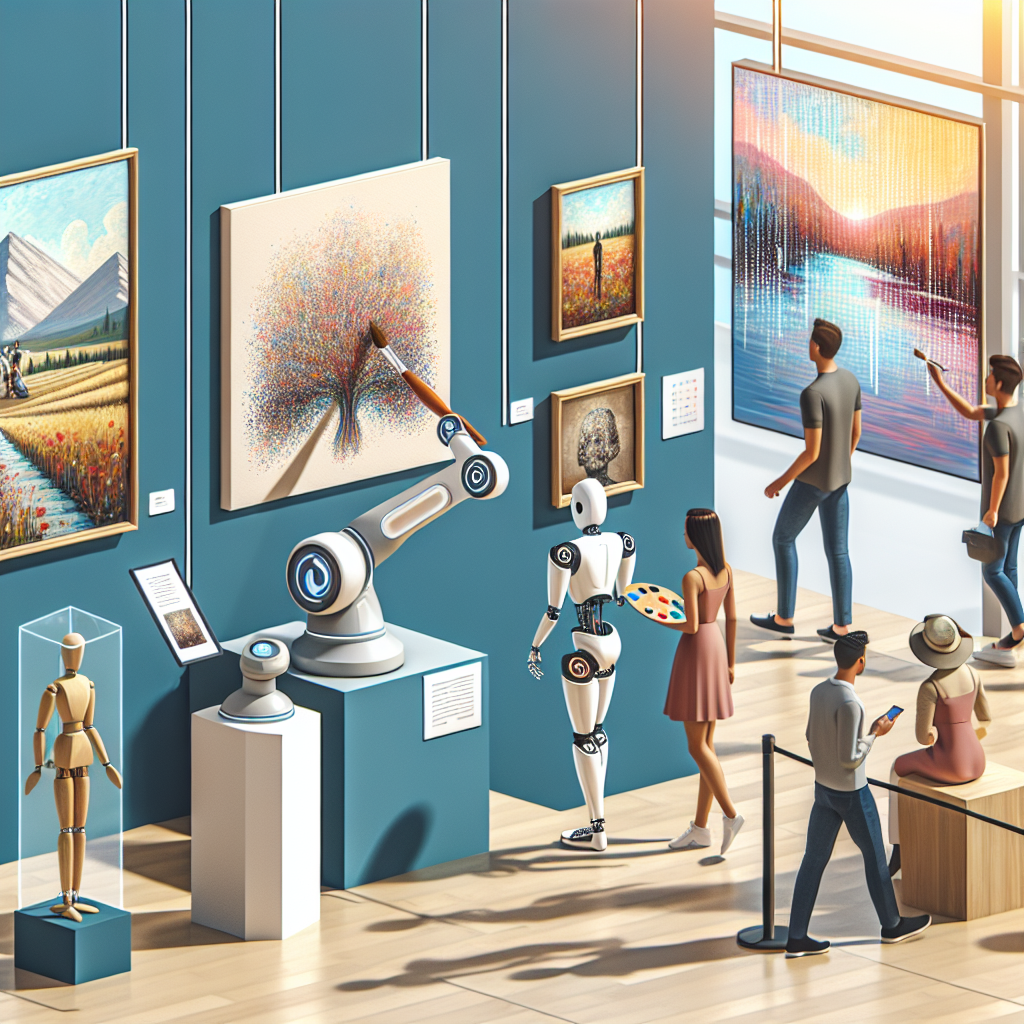
AI-driven Art Education
As an art enthusiast, I have always been fascinated by the power of technology to enhance our understanding and appreciation of art. One of the most innovative ways AI is shaping the art world is through AI-driven art education. With the help of artificial intelligence, art education is becoming more personalized and accessible to students of all levels.
AI has the ability to analyze a student’s learning style and preferences, allowing for a customized curriculum that caters to their individual needs. This personalized approach not only helps students learn at their own pace but also encourages creativity and exploration in the art-making process.
Furthermore, AI is assisting in the creation of new art forms and techniques that were previously unimaginable. By using algorithms and machine learning, artists are able to push the boundaries of traditional art forms and experiment with innovative techniques that challenge our perception of art.
Incorporating AI into art education not only enhances the learning experience for students but also opens up new possibilities for artistic expression and creativity. By harnessing the power of AI, artists and educators can continue to push the boundaries of what is possible in the world of art.
Ethical Considerations in AI Art
When discussing the impact of AI on the art world, it is essential to consider the ethical implications that come with this technology. As AI becomes more prevalent in the creation of art, it is crucial to ensure that AI art respects copyright and ownership rights.
AI has the ability to generate art that closely resembles the work of human artists, raising questions about intellectual property and artistic ownership. It is important for artists and creators to be aware of these issues and take steps to protect their work from unauthorized use or reproduction.
Additionally, the use of AI in art has the potential to impact cultural diversity and representation in the art world. It is essential to consider how AI algorithms may perpetuate biases or stereotypes in the art that is created, and to work towards creating a more inclusive and diverse art landscape.
By addressing these ethical considerations and actively working to promote fairness and diversity in AI art, we can ensure that this technology continues to enrich and inspire the art world in a positive and responsible way.
AI-generated Fashion Design
Fashion design is another area of the art world that is being revolutionized by AI technology. With the help of algorithms and machine learning, AI is able to create unique and innovative fashion designs that push the boundaries of traditional creative processes.
AI has the ability to analyze vast amounts of data and trends in the fashion industry, allowing designers to gain insights and inspiration for their work. By harnessing the power of AI, designers can experiment with new materials, shapes, and styles that may have been previously unexplored.
Furthermore, AI can assist in the creation of personalized fashion designs that cater to individual preferences and styles. By using algorithms to analyze a customer’s preferences and body shape, designers can create custom-made clothing that fits perfectly and reflects the wearer’s unique personality.
By embracing AI technology in fashion design, designers can continue to push the boundaries of creativity and innovation in the industry. AI has the potential to revolutionize the way we think about fashion and to inspire new trends and styles that captivate and inspire audiences around the world.
AI Art Therapy Applications
Art therapy is a powerful tool for promoting mental health and well-being, and AI technology is now being used to enhance the therapeutic benefits of art. By incorporating AI into art therapy sessions, therapists can gain valuable insights and feedback that can help them better understand their clients’ emotions and experiences.
AI has the ability to analyze and interpret art created by individuals, providing therapists with valuable information about their clients’ mental and emotional states. By using algorithms to analyze patterns and themes in the art, therapists can gain a deeper understanding of their clients’ thoughts and feelings, allowing for more effective and targeted therapy sessions.
Furthermore, AI can assist in the creation of art therapy exercises and activities that are tailored to the individual needs of each client. By using algorithms to generate personalized art prompts and challenges, therapists can help their clients explore and express their emotions in a safe and supportive environment.
By integrating AI technology into art therapy practices, therapists can enhance the therapeutic benefits of art and provide their clients with new tools and insights for self-expression and healing. AI has the potential to revolutionize the field of art therapy and to empower individuals to explore and understand their emotions in a profound and meaningful way.
AI-enhanced Art Curation
Art curation plays a crucial role in the art world, helping to showcase and promote the work of artists to a wider audience. With the help of AI technology, art curation is becoming more effective and personalized, allowing museums and galleries to reach new audiences and engage with art in innovative ways.
AI has the ability to predict art trends and analyze data to curate exhibitions that resonate with contemporary audiences. By using algorithms to analyze patterns and themes in art, curators can create exhibitions that are relevant and engaging, attracting a diverse range of visitors and sparking conversations about art and culture.
Furthermore, AI can assist in the personalization of art experiences for visitors, providing tailored recommendations and insights based on individual preferences and interests. By using algorithms to analyze visitor data and behavior, museums and galleries can create customized experiences that cater to the unique tastes and preferences of each visitor.
By embracing AI technology in art curation, museums and galleries can continue to push the boundaries of creativity and innovation in the art world. AI has the potential to revolutionize the way we experience and engage with art, creating new opportunities for artists and audiences to connect and interact in exciting and meaningful ways.