From Algorithms to Artistry: The Power of AI in the Creative Process
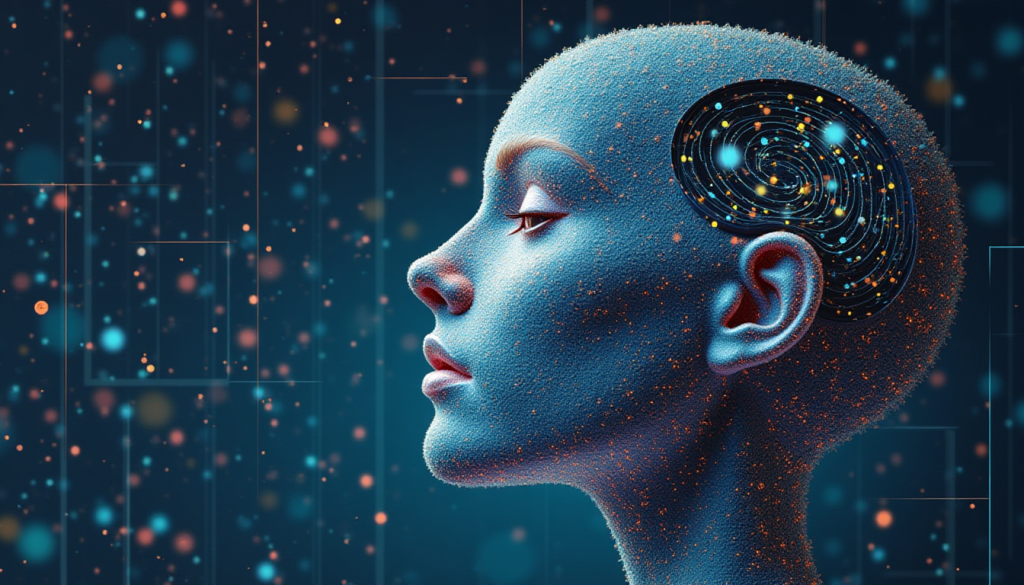
From Algorithms to Artistry: The Power of AI in the Creative Process
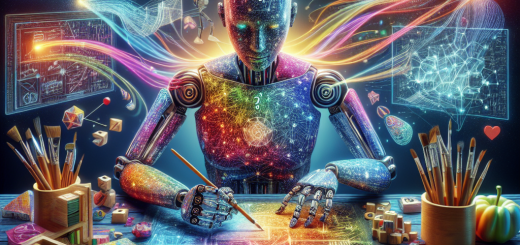
Artificial intelligence (AI) has been revolutionizing the creative process in various fields such as art, music, literature, and design. With the advancement of technology, algorithms are being used to inspire and enhance artistic endeavors in ways that were once unimaginable. This new wave of creativity is pushing boundaries and challenging traditional notions of what it means to create art.
One of the most exciting developments in the use of AI in the creative process is the creation of artwork. Artists and designers are using algorithms to generate unique and intriguing designs that push the boundaries of traditional art forms. For example, the artist Mario Klingemann has been using AI to create stunning digital artworks that blur the line between human and machine. By feeding the algorithm with thousands of images, it can generate new pieces of art that are both visually striking and thought-provoking.
In the music industry, AI is also making waves. From creating algorithms that can compose original music to using machine learning to analyze musical patterns and trends, AI is changing the way music is created and consumed. For example, the music streaming platform Spotify uses AI to recommend songs and artists to users based on their listening habits. This not only helps users discover new music but also provides valuable insights for artists and record labels.
In literature, AI is being used to generate new stories and poems. While the idea of a machine writing a novel may sound far-fetched, companies like OpenAI have developed algorithms that can produce coherent and engaging text. The use of AI in literature has sparked debates about authorship and creativity, with some arguing that AI can never truly replace human writers.
In design, AI is being used to streamline the creative process and generate new ideas. Companies like Adobe are incorporating AI into their software to help designers create stunning visuals more efficiently. By analyzing data and trends, AI can suggest color palettes, layouts, and fonts that designers can use as inspiration for their projects.
While the use of AI in the creative process is undeniably exciting, it also raises ethical questions and potential drawbacks. One of the main concerns is the loss of human creativity and originality. Some fear that relying too heavily on algorithms will lead to a homogenization of art and music, with everything looking and sounding the same. There is also the issue of bias in AI, as algorithms are only as good as the data they are trained on. This can lead to perpetuating stereotypes and excluding marginalized voices from the creative process.
Despite these concerns, the impact of AI on the creative industry is undeniable. By pushing the boundaries of what is possible and challenging traditional notions of creativity, AI is revolutionizing the way we create and consume art, music, literature, and design. As technology continues to advance, it will be interesting to see how AI further transforms the creative process and shapes the future of the creative industry.