The Role of AI Creators
The Role of AI Creators
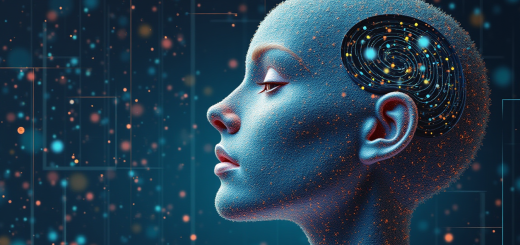
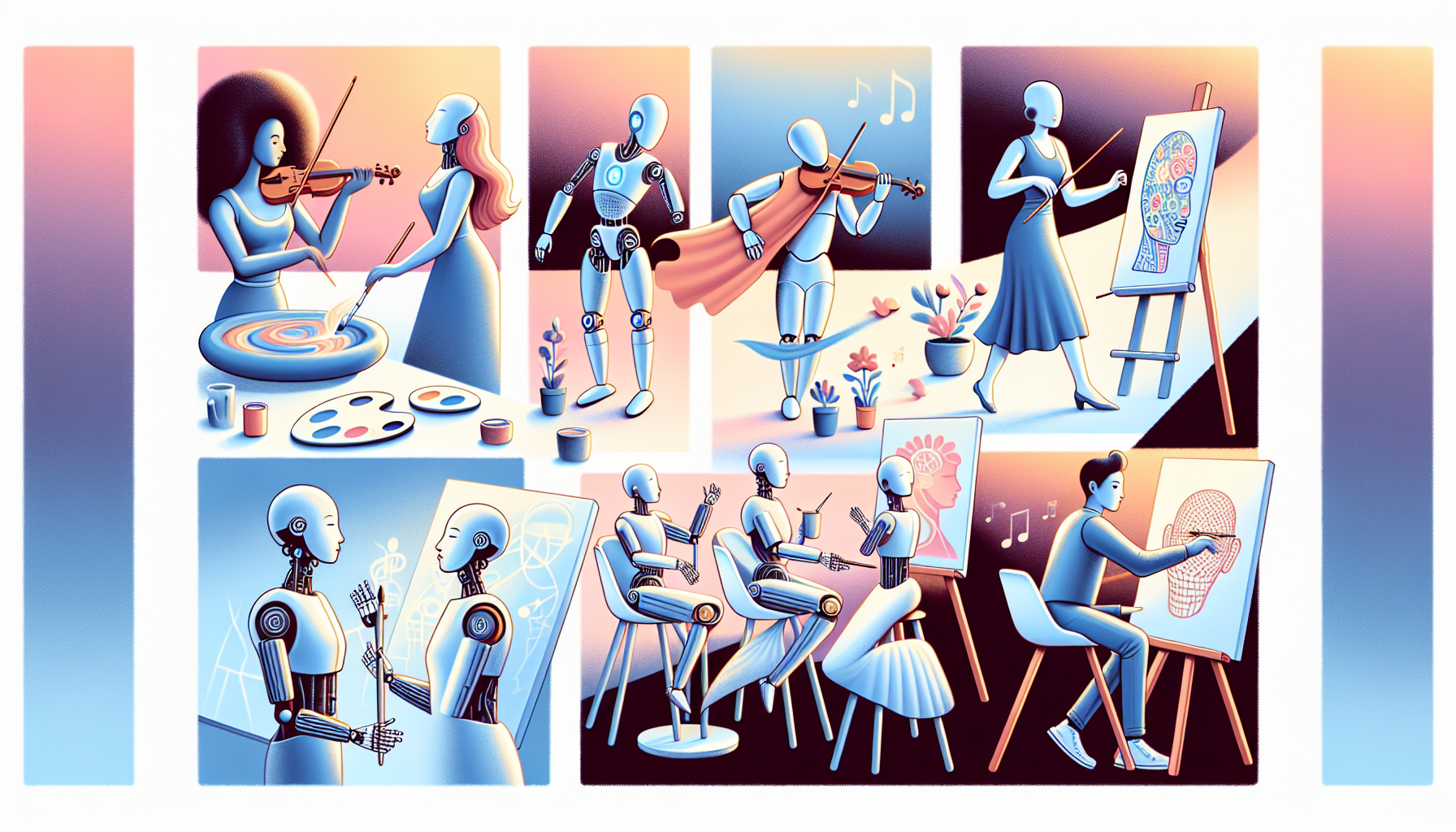
AI creators have redefined artistic boundaries by challenging traditional notions of creativity in art. With the ability to analyze vast amounts of data and generate unique patterns and designs, AI has pushed the limits of what is considered possible in the art world. By harnessing the power of machine learning algorithms, AI creators can produce artwork that is both innovative and thought-provoking.
The concept of creativity has long been associated with human intelligence and imagination. However, AI has shown that machines are capable of producing art that is just as captivating and original as that created by humans. By breaking free from preconceived ideas about what constitutes art, AI creators have opened up new possibilities for artistic expression.
Collaboration with Human Artists
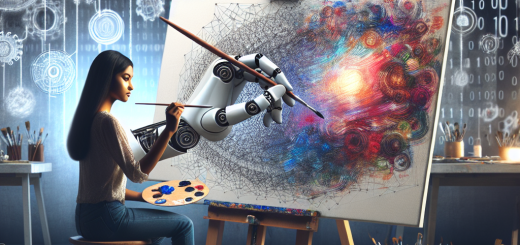
One of the most exciting aspects of AI in the art world is its ability to enhance human creativity through collaboration. By working alongside AI technology, human artists can push the boundaries of traditional art and explore new artistic techniques. This collaboration allows artists to experiment with different styles and mediums, leading to the creation of truly unique and ground breaking artwork.
AI technology can provide artists with new tools and resources to expand their creative horizons. By leveraging the power of machine learning algorithms, artists can generate new ideas and inspiration that they may not have come up with on their own. This collaboration between human artists and AI creators has the potential to revolutionize the art world and redefine what is possible in terms of artistic expression.
New Artistic Mediums
The emergence of AI technology has paved the way for the exploration of virtual reality as a new artistic medium. By combining AI algorithms with virtual reality technology, artists can create immersive and interactive art experiences that engage viewers in new and exciting ways. This fusion of AI and virtual reality has the potential to revolutionize the way we experience art and push the boundaries of traditional artistic mediums.
Artists are also utilizing artificial intelligence for innovative art creations, such as generative art and algorithmic design. By harnessing the power of AI algorithms, artists can create artwork that is constantly evolving and changing, leading to a dynamic and engaging artistic experience. This use of AI technology in art creation is opening up new possibilities for artists to experiment with different styles and techniques, leading to the development of truly unique and ground breaking artwork.
Ethical Considerations
As AI technology continues to advance, it is important to consider the ethical implications of its use in the art world. Privacy concerns may arise when AI algorithms access personal data to generate artwork, raising questions about data security and consent. It is essential for artists and AI creators to prioritize the protection of personal information and ensure that data is used responsibly and ethically.
Another ethical consideration is the potential for AI to perpetuate bias in art creation. If AI algorithms are trained on biased data sets, they may produce artwork that reflects and reinforces existing prejudices and stereotypes. It is crucial for artists and AI creators to be aware of these biases and take steps to mitigate them in order to create art that is inclusive and representative of diverse perspectives.
Impact on Art Market
The impact of AI on the art market is evident in the shift in pricing trends and increased accessibility to art for a wider audience. AI-generated artwork has the potential to disrupt traditional pricing models, as collectors and art enthusiasts are willing to pay top dollar for unique and innovative AI-created pieces. This has led to a re evaluation of the value of art and the role of AI in shaping the future of the art market.
Furthermore, AI technology has made art more accessible to a wider audience through online platforms and digital galleries. By leveraging AI algorithms, artists can reach a global audience and showcase their work to individuals who may not have had access to traditional art spaces. This increased accessibility has democratized the art world and allowed for greater diversity and inclusion in artistic expression.