Exploring AI-Driven Art
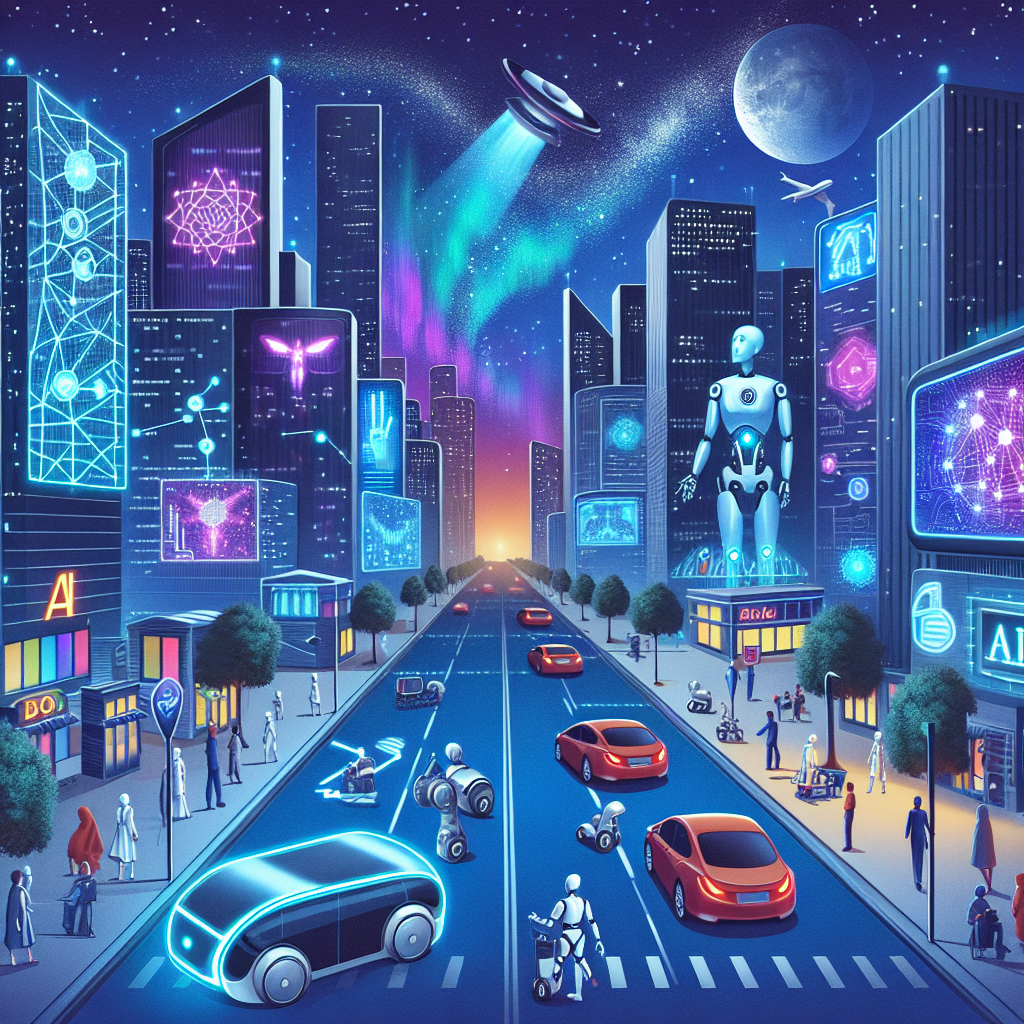
Exploring AI-Driven Art
As an artist, I have always been fascinated by the intersection of technology and creativity. The rise of artificial intelligence (AI) in the art world has opened up a whole new realm of possibilities, challenging traditional art forms and techniques in ways that were previously unimaginable.
One of the most striking impacts of AI on traditional art forms is its ability to generate art autonomously. AI algorithms can analyze vast amounts of data and create stunning visual artworks, music compositions, and even literature. This has raised questions about the role of the artist in the creative process and the authenticity of AI-generated art.
Ethical implications of AI-generated art are also a topic of concern. As AI becomes more sophisticated in creating art, questions arise about the ownership of these creations and the potential for exploitation of AI systems. It is important for artists and technologists to consider the ethical implications of using AI in art and to ensure that these technologies are used responsibly and ethically.
Artistic Possibilities with AI
AI has the potential to enhance creativity through collaborations with artists. By using AI tools, artists can explore new techniques, styles, and ideas that they may not have considered before. AI can analyze patterns and trends in existing artworks to inspire new creations, pushing the boundaries of traditional artistic expression.
Furthermore, AI’s impact on traditional artistic techniques is undeniable. From digital painting to generative design, AI has revolutionized the way artists approach their work. By incorporating AI into their creative process, artists can experiment with new mediums and styles, leading to innovative and groundbreaking art.
Impact on Traditional Art
AI challenges traditional artistic techniques by offering new tools and methods for creating art. While some may view this as a threat to traditional art forms, I believe that AI opens up new possibilities for creativity and expression. By embracing AI in art, artists can push the boundaries of what is possible and explore new avenues of artistic expression.
Additionally, AI-driven art challenges traditional notions of authorship and creativity. As AI systems become more advanced in generating art, questions arise about who should be credited for the work and how artists can maintain their unique voice in a world saturated with AI-generated content. It is crucial for artists to navigate these challenges and find ways to integrate AI into their creative process while maintaining their artistic integrity.
AI Tools for Artists
AI tools can enhance creativity and streamline artistic processes for artists. From image recognition software to generative algorithms, AI can help artists generate ideas, experiment with different styles, and refine their work. By leveraging AI tools, artists can save time and energy in the creative process, allowing them to focus on the conceptual and emotional aspects of their art.
Furthermore, AI-driven art challenges traditional notions of authorship and creativity. As AI systems become more advanced in generating art, questions arise about who should be credited for the work and how artists can maintain their unique voice in a world saturated with AI-generated content. It is crucial for artists to navigate these challenges and find ways to integrate AI into their creative process while maintaining their artistic integrity.
Ethical Considerations
Privacy concerns with using personal data for AI art are a major ethical consideration. As AI systems become more advanced in generating art, there is a risk of personal data being used without consent or awareness. It is important for artists and technologists to prioritize data privacy and ensure that AI systems are used responsibly and ethically.
Ensuring that AI art does not perpetuate harmful stereotypes or biases is another important ethical consideration. AI algorithms are only as good as the data they are trained on, and there is a risk of bias being perpetuated in AI-generated art. Artists and technologists must be vigilant in addressing bias in AI systems and ensuring that AI art is inclusive and representative of diverse perspectives.
In conclusion, the rise of AI-driven art presents both exciting opportunities and ethical challenges for artists and technologists. By exploring the artistic possibilities of AI, embracing new tools and techniques, and considering the ethical implications of AI-generated art, we can create a more vibrant and inclusive art world that pushes the boundaries of creativity and expression.