Artistic Innovations through Artificial Intelligence
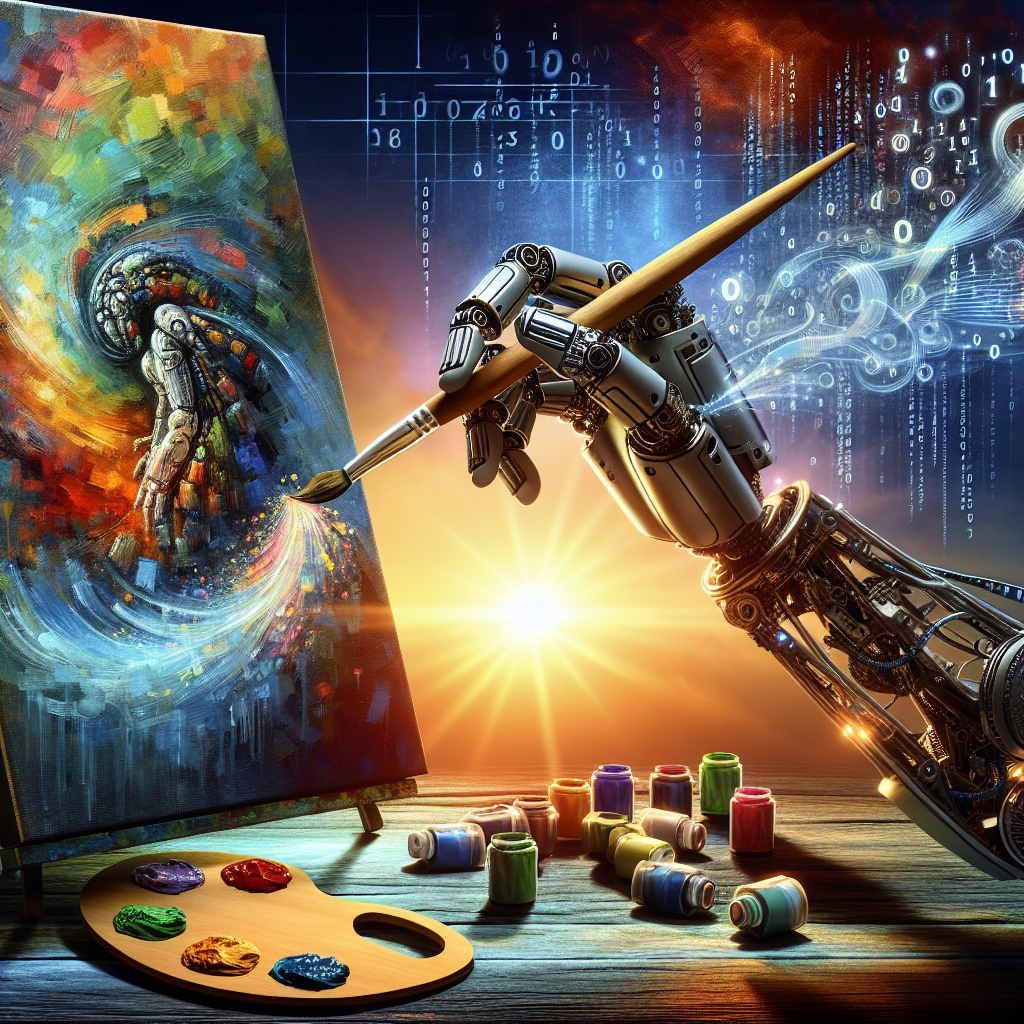
The impact of AI on the art world
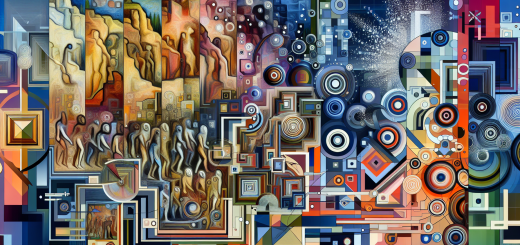
Artificial Intelligence (AI) has undoubtedly revolutionized the art world, paving the way for new art forms and challenging traditional notions of creativity. One of the most significant impacts of AI in the art world is its role in creating new art forms. Through the use of algorithms and machine learning, AI can generate unique artworks that push the boundaries of traditional artistic expression. This has opened up a whole new world of possibilities for artists, allowing them to explore new creative avenues and experiment with innovative techniques.
However, one of the challenges of AI-generated art lies in its authenticity. As AI becomes more advanced and capable of producing incredibly realistic artworks, questions arise about the role of the artist in the creative process. Can a piece of art truly be considered authentic if it is generated by a machine? This debate raises important questions about the nature of creativity and the value of human expression in the art world.
AI as a tool for artistic expression
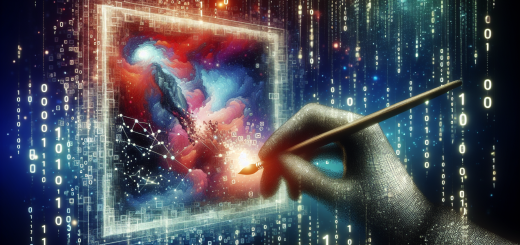
AI serves as a powerful tool for artistic expression, enabling artists to create unique artworks based on complex algorithms. By harnessing the power of AI, artists can explore new creative possibilities and experiment with innovative techniques that were previously unimaginable. This has led to a renaissance in the art world, with artists embracing AI as a tool for pushing the boundaries of traditional artistic expression.
One of the key benefits of AI in artistic expression is its ability to generate artworks that are truly one-of-a-kind. By using algorithms to create art, artists can produce pieces that are completely unique and unlike anything that has been seen before. This opens up a world of possibilities for artists, allowing them to break free from traditional constraints and explore new avenues of creativity.
Innovative AI applications in art
Innovative AI applications have transformed the way art is created and experienced. AI tools have been developed that enable artists to create unique art pieces that would be impossible to achieve through traditional means. These tools leverage the power of machine learning to generate complex and intricate artworks that push the boundaries of creativity.
AI has also played a significant role in transforming traditional artistic techniques. By using algorithms to generate art, artists can explore new ways of creating and expressing themselves. This has led to a renaissance in the art world, with artists embracing AI as a tool for pushing the boundaries of traditional artistic expression.
AI-driven art in the digital age
In the digital age, AI has had a profound impact on the art creation process. Artists are increasingly turning to AI algorithms to generate art that is both innovative and cutting-edge. By harnessing the power of machine learning, artists can create artworks that push the boundaries of traditional artistic expression and challenge the status quo.
One of the most innovative uses of AI algorithms in art production is the creation of generative art. This form of art is created using algorithms that generate unique and ever-changing artworks. Generative art has become increasingly popular in the digital age, as artists seek new ways to express themselves and push the boundaries of creativity.
Ethical considerations in AI-generated art
As AI-generated art becomes more prevalent, ethical considerations have come to the forefront of the art world. One of the key issues surrounding AI-generated art is intellectual property rights. Who owns the rights to a piece of art created by an AI algorithm? This question raises important legal and ethical considerations that must be addressed as AI continues to play a larger role in the art world.
Another ethical implication of AI biases in artistic creations. AI algorithms are not immune to biases, and these biases can manifest themselves in the artworks they generate. This raises important questions about the role of AI in shaping artistic expression and the potential impact of these biases on the art world. As AI becomes more prevalent in the art world, it is crucial that artists and creators consider these ethical implications and work to address them in their creative processes.