Explore the World of AI Art
Introduction to AI Art
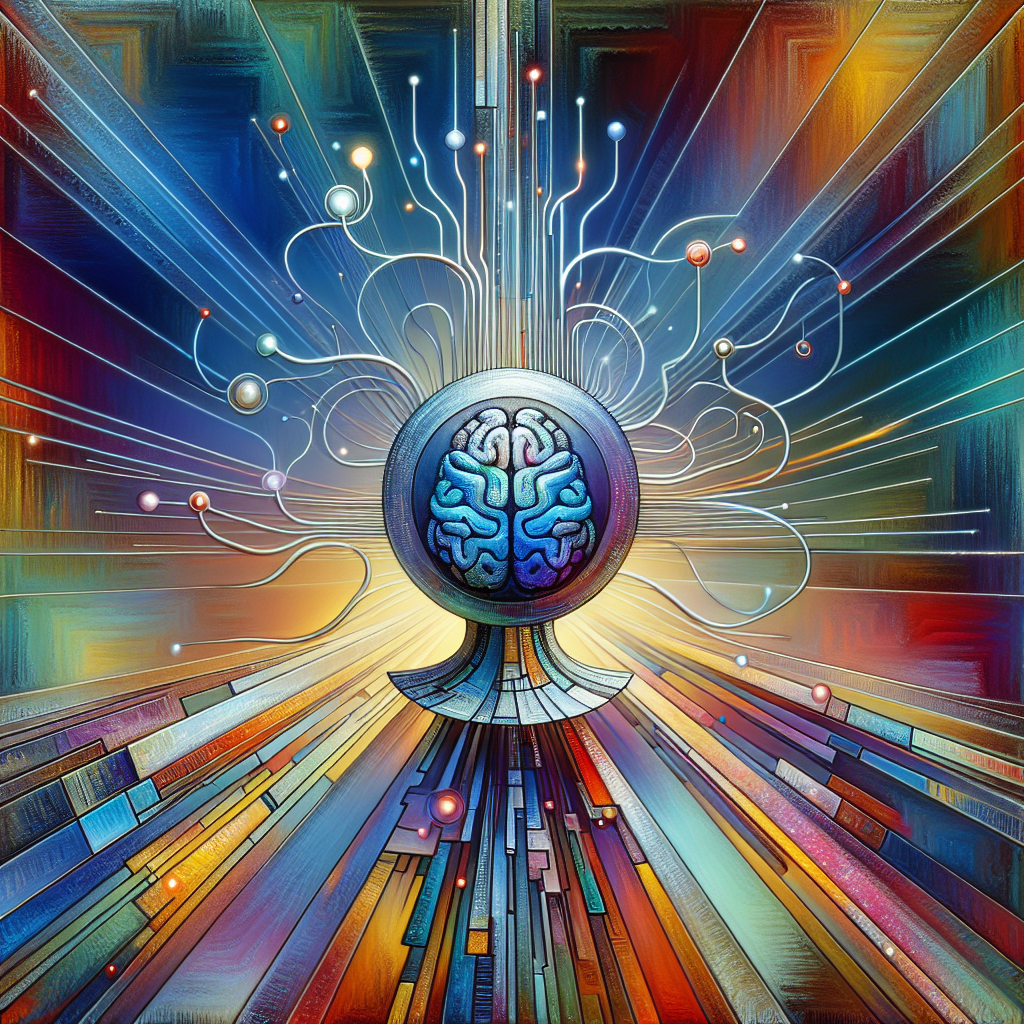
As an artist and art enthusiast, I have always been fascinated by the intersection of technology and creativity. The emergence of Artificial Intelligence (AI) in the art world has truly revolutionized the way we perceive and create art. AI has not only impacted the art creation process but has also challenged traditional concepts of artistry and creativity.
The impact of AI on the art world is undeniable. AI algorithms have the ability to analyze vast amounts of data and learn from it to create unique and innovative artworks. This has opened up a whole new world of possibilities for artists, allowing them to explore new techniques and styles that were previously unimaginable.
AI is revolutionizing artistic creativity by providing artists with tools and techniques that can enhance their creative process. From generating new ideas to experimenting with different styles, AI has the potential to push the boundaries of traditional art forms and inspire artists to think outside the box.
Evolution of AI in Art
The impact of AI on the art creation process cannot be overstated. AI algorithms have the ability to generate artworks based on patterns and data, resulting in unique and innovative pieces that challenge traditional notions of artistry. By using AI, artists can explore new techniques and styles that were previously inaccessible, opening up a whole new world of creative possibilities.
AI’s role in challenging traditional art concepts is evident in the way it can analyze and interpret data to create artworks that are both visually stunning and conceptually rich. By harnessing the power of AI, artists can push the boundaries of traditional art forms and experiment with new ways of creating and expressing themselves.
Impact of AI on the Art World
AI is revolutionizing the art creation process by providing artists with tools and techniques that can enhance their creative process. By using AI algorithms, artists can generate new ideas, experiment with different styles, and push the boundaries of traditional art forms. This has the potential to inspire artists to think outside the box and explore new ways of expressing themselves.
AI challenges traditional notions of artistry and creativity by providing artists with a new set of tools and techniques to create innovative and unique artworks. By using AI algorithms, artists can explore new styles, experiment with different techniques, and push the boundaries of traditional art forms. This has the potential to revolutionize the art world and inspire a new generation of artists to think differently about the creative process.
Famous AI Artworks
One of the most famous AI artworks is the series of GAN-generated portraits created by the Obvious Collective. These portraits were generated using a Generative Adversarial Network (GAN), a type of AI algorithm that can generate realistic images based on a dataset of images. The portraits created by the Obvious Collective have garnered international attention for their unique blend of traditional portraiture and AI-generated imagery.
Another famous AI-generated artwork is the ‘Portrait of Edmond de Belamy’, created by the French art collective Obvious. This artwork was created using a GAN algorithm and was the first AI-generated artwork to be sold at auction. The portrait, which depicts a fictional character, has sparked a debate about the role of AI in the art world and the boundaries between human and machine creativity.
Future of AI Art
The impact of AI on traditional art forms is undeniable. AI algorithms have the ability to analyze vast amounts of data and learn from it to create unique and innovative artworks. This has the potential to revolutionize the art world and inspire a new generation of artists to think differently about the creative process.
Ethical considerations in AI-generated art are also a topic of discussion in the art world. As AI algorithms become more advanced and capable of creating realistic artworks, questions arise about the role of the artist in the creative process and the authenticity of AI-generated artworks. It is important for artists and art enthusiasts to consider the ethical implications of AI in art and to continue to explore the possibilities and limitations of this new technology.