The Artistic Wonders of AI
Benefits of AI in Art
One of the most exciting developments in the art world in recent years has been the integration of artificial intelligence (AI) into the creative process. AI technology has the potential to enhance creativity in artists and expand artistic possibilities in ways that were previously unimaginable.
One of the key benefits of AI in art is its ability to enhance creativity in artists. By using AI tools and algorithms, artists can explore new techniques, styles, and ideas that they may not have considered before. AI can analyze vast amounts of data and generate insights that can inspire artists to push the boundaries of their work. This can lead to the creation of innovative and cutting-edge art that captivates audiences and challenges traditional notions of what art can be.
Furthermore, AI technology can expand artistic possibilities by providing artists with new tools and techniques to work with. For example, AI can generate complex patterns, textures, and shapes that would be difficult, if not impossible, for artists to create on their own. This opens up a whole new world of artistic expression and allows artists to experiment with different mediums and styles in ways that were previously out of reach.
In essence, AI in art is revolutionizing the creative process by empowering artists to explore new ideas, techniques, and styles that were once limited by human imagination alone. By harnessing the power of AI, artists can unlock a world of possibilities and create art that is truly groundbreaking and innovative.
Innovative AI Art Projects
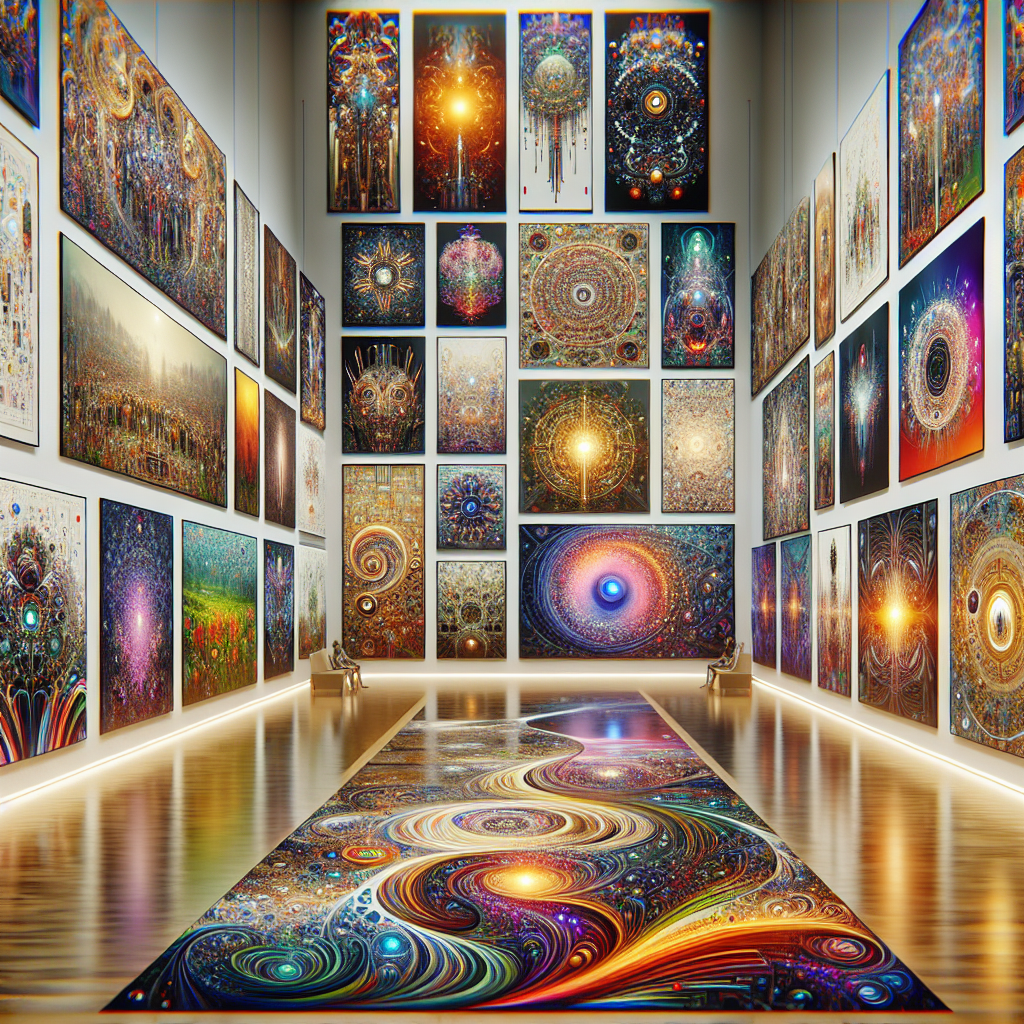
AI technology has been used to create unique art pieces through machine learning algorithms. These algorithms can analyze vast amounts of data and generate original artworks that push the boundaries of traditional art forms. For example, AI-generated art has been used to create stunning visualizations, intricate patterns, and abstract compositions that are both beautiful and thought-provoking.
In addition to creating art on its own, AI has also been used to collaborate with artists to produce groundbreaking digital artworks. By working together with AI systems, artists can explore new techniques, styles, and ideas that would be difficult to achieve on their own. This collaboration between human creativity and artificial intelligence has led to the creation of art that is truly innovative and cutting-edge.
Overall, AI art projects are pushing the boundaries of what is possible in the art world and opening up new avenues for creative expression. By harnessing the power of AI technology, artists are able to create art that is both visually stunning and intellectually stimulating, challenging audiences to rethink their perceptions of art and creativity.
Ethical Considerations in AI Art
As AI technology continues to play a larger role in the art world, there are important ethical considerations that must be taken into account. One of the key concerns is the impact of AI on the creative process itself. Some critics argue that AI-generated art may lack the emotional depth and human touch that is essential to true artistic expression. This raises questions about the authenticity and originality of AI-generated artworks and whether they can be considered true works of art.
Another ethical consideration in AI art is the issue of ownership and authenticity. With AI technology, it can be difficult to determine who owns the rights to a piece of art, especially when it is created through a collaboration between human artists and AI systems. This raises questions about copyright, intellectual property, and the value of art in a digital age.
Overall, it is important for artists, critics, and audiences to engage in a thoughtful dialogue about the ethical implications of AI in art and to consider how these technologies can be used responsibly and ethically in the creative process.
Collaboration between AI and Artists
One of the most exciting developments in the art world is the collaboration between AI systems and human artists. By working together, artists can harness the power of AI technology to enhance their artistic creativity and explore new ideas and techniques that were previously out of reach.
AI tools can be used to push the boundaries of traditional artistic mediums and styles, allowing artists to experiment with new techniques and approaches that challenge conventional notions of art. For example, AI can analyze vast amounts of data to generate insights that inspire artists to create innovative and cutting-edge artworks that captivate audiences and push the boundaries of what is possible in the art world.
Overall, the collaboration between AI and artists is revolutionizing the creative process by empowering artists to explore new ideas, techniques, and styles that were once limited by human imagination alone. By working together with AI systems, artists can unlock a world of possibilities and create art that is truly groundbreaking and innovative.
Exploring AI-generated Art
AI technology has had a profound impact on traditional art forms, opening up new possibilities for creative expression and pushing the boundaries of what is possible in the art world. For example, AI-generated art has been used to create stunning visualizations, intricate patterns, and abstract compositions that challenge traditional notions of art and creativity.
However, there are also ethical concerns surrounding AI-generated art, particularly in terms of authenticity and originality. Some critics argue that AI-generated art lacks the emotional depth and human touch that is essential to true artistic expression, raising questions about the value and meaning of art in a digital age.
Overall, AI-generated art is a fascinating and rapidly evolving field that is reshaping the art world in exciting and unexpected ways. By exploring the possibilities of AI technology in art, artists are able to push the boundaries of creativity and create art that is truly innovative and groundbreaking.