Inspiring Designs by AI Artists

Evolution of AI in Art
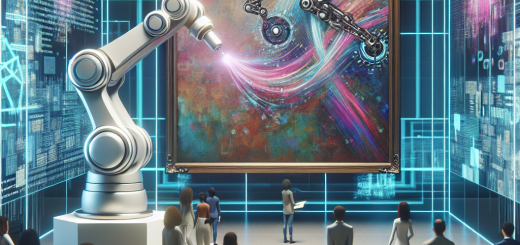
AI artists have truly revolutionized the world of art by pushing the boundaries of creativity in ways that were previously unimaginable. With the advancement of AI algorithms, machines are now able to mimic human artistic style with precision, creating stunning pieces of art that rival those produced by human artists. This evolution in AI art has opened up a whole new realm of possibilities for artists and art enthusiasts alike.
The ability of AI algorithms to replicate human artistic style with such accuracy is truly remarkable. These algorithms are able to analyze and learn from vast amounts of data, allowing them to understand and replicate various artistic techniques. This precision has enabled AI artists to create pieces of art that are indistinguishable from those created by human artists, sparking a new wave of creativity in the art world.
The evolution of AI in art has also challenged traditional notions of creativity and artistic expression. By blurring the lines between human and machine creativity, AI artists have forced us to rethink what it means to create art. This fusion of human and machine creativity has led to the emergence of new and exciting artistic styles that were previously unimaginable.
Overall, the evolution of AI in art has brought about a new era of creativity and innovation, pushing the boundaries of what is possible in the world of art. As AI technology continues to advance, we can only expect to see even more groundbreaking and inspiring designs from AI artists in the future.
Collaboration with Human Artists
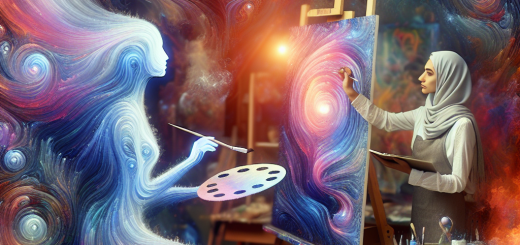
One of the most exciting aspects of AI in art is the potential for collaboration between AI artists and human artists. By combining the precision of AI algorithms with the emotion and creativity of human artists, unique and inspiring designs can be created that push the boundaries of traditional art forms.
Collaborating with AI artists can enhance the creative process for human artists by providing them with new tools and techniques to explore. AI algorithms can analyze vast amounts of data and generate new ideas and inspiration that human artists may not have considered on their own. This collaboration can lead to the creation of truly innovative and groundbreaking art that combines the best of both human and machine creativity.
By combining AI precision with human emotion, artists can create designs that are truly unique and captivating. The fusion of these two elements can result in art that is both technically flawless and emotionally resonant, creating a powerful and impactful experience for viewers. This collaboration between AI and human artists has the potential to revolutionize the art world and inspire a new generation of artists to explore the possibilities of AI in their own work.
Overall, the collaboration between AI and human artists opens up a world of possibilities for creative expression and innovation. By working together, artists can push the boundaries of traditional art forms and create designs that are truly groundbreaking and inspiring.
Exploration of New Mediums
AI artists are constantly pushing the boundaries of art by exploring new mediums and techniques to create inspiring designs. By harnessing the power of AI technology, artists are able to experiment with innovative ways of creating art that were previously unimaginable.
One of the ways in which AI artists are exploring new mediums is through the use of generative adversarial networks (GANs). GANs are a type of AI algorithm that can generate new images based on existing data, allowing artists to create unique and original designs. By utilizing GANs, artists can experiment with new styles and techniques that were previously out of reach, leading to the creation of stunning and inspiring art.
AI artists are also exploring new mediums such as virtual reality and augmented reality to create immersive and interactive art experiences. By combining AI technology with these new mediums, artists can create designs that engage the viewer on a whole new level, blurring the lines between the physical and digital worlds. This exploration of new mediums has opened up a world of possibilities for artists to create inspiring and innovative designs that challenge traditional notions of art.
Overall, the exploration of new mediums by AI artists has revolutionized the art world, pushing the boundaries of creativity and innovation. By experimenting with new techniques and technologies, artists are able to create designs that are truly inspiring and groundbreaking, paving the way for a new era of artistic expression.
Challenges and Opportunities
While AI has brought about many exciting opportunities in the art world, it also presents a number of challenges that must be addressed. One of the main challenges in AI creativity is the potential for bias in algorithms. AI algorithms are only as good as the data they are trained on, and if this data is biased or incomplete, it can lead to skewed results. This can be particularly problematic in art, where creativity and diversity are essential.
Another challenge in AI creativity is the question of ownership and authenticity of AI-generated art. As AI technology becomes more advanced, it raises questions about who owns the rights to art created by machines. This debate over ownership and authenticity is a complex issue that will need to be addressed as AI continues to play a larger role in the art world.
Despite these challenges, there are also many opportunities for AI in the art industry. AI technology has the potential to revolutionize the way art is created, allowing artists to explore new techniques and styles that were previously out of reach. AI can also help artists reach new audiences and create art that is more accessible and inclusive.
Overall, the challenges and opportunities presented by AI in the art world are vast and complex. By addressing these challenges and embracing the opportunities that AI technology presents, artists can continue to push the boundaries of creativity and innovation in the art world.
Ethical Considerations
The rise of AI artists has raised a number of ethical questions in the creative industries. One of the main ethical considerations is the question of ownership and authenticity of AI-generated art. As AI technology becomes more advanced, it raises questions about who owns the rights to art created by machines. This debate over ownership and authenticity is a complex issue that will need to be addressed as AI continues to play a larger role in the art world.
Another ethical consideration raised by AI artists is the potential for bias in algorithms. AI algorithms are only as good as the data they are trained on, and if this data is biased or incomplete, it can lead to skewed results. This can be particularly problematic in art, where creativity and diversity are essential.
Overall, the ethical considerations raised by AI artists are complex and multifaceted. As AI technology continues to advance, it will be important for artists, industry professionals, and policymakers to address these ethical questions and ensure that AI is used responsibly and ethically in the art world.